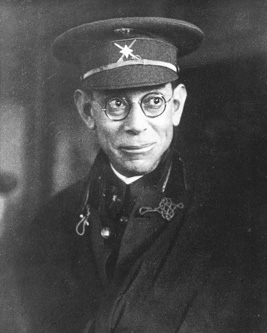
King Philip II carved out a grand empire stretching south from his original kingdom of Macedon. He unified the often-warring city-states of Greece by diplomacy and military might. With command of impressive resources and crack-trained men, he hoped to launch an invasion of Persia, an empire that had grown old and frail. It was not just an attack of opportunity, however. He meant to secure the Greeks forever against another eastern invasion and establish a new, Greek-led world order.
While all of his empire-building went on, Philip also had a private life, taking up Pausanias of Orestis, a member of his bodyguard, as a lover. As time progressed, Philip's attention went to a different, younger Pausanias, ousting the elder. The forsaken Pausanias tormented the younger with taunts, eventually driving the young man to suicide. While no direct law had been broken, there were those who felt that this bullying should be punished, and the lead was taken by the younger Pausanias's friend and Philip's father-in-law, General Attalus.
Attalus threw a grand dinner party, inviting Pausanias and making certain that the man drank past any sense of sobriety. He and the rest of his party then descended upon Pausanias in brutal rape. Pausanias awoke to the horror and demanded King Philip punish his general. Philip would not. He needed Attalus, vicious as he was, to be a loyal commander as he was sending him along with General Parmenion to establish a foothold for the invasion of Asia. Beside, Attalus was his father-in-law, and family matters trumped even those of former lovers. In consolation, Philip promoted Pausanias to the highest rank of his bodyguard and thus of Macedonian nobility.
The rank was not enough to calm Pausanias' anger. He had been insulted and felt that vengeance must take place. In seeking guidance from a soothsayer, Pausanias was told that he would become the most famous man in the world. Many said that the soothsayer was the pay of Persians or a conspiracy of Greeks, pushing Pausanias to kill the king and end a potential invasion. Cryptic words did not give Pausanias such an idea, however; he decided he would become famous by exacting perfect revenge.
At the wedding of Alexander of Epirus and Philip's daughter Cleopatra, Pausanias struck. All attention was on Philip, who was boastfully attending the wedding without his guard around him, supposedly to impress the Greek diplomats attending. While all backs were turned, Pausanias stabbed Attalus, whom he had beguiled into not leaving for Asia until after the wedding, with a poisoned needle. The general knew it was an attack, but the wound was small enough that no one would believe him that Pausanias had done anything. Attalus fell ill and died.
Afterwar, Pausanias would ask to take Attalus' place as general. Philip would grant the request, feeling that debts were then fully paid. The invasion of Persia would go forward as planned in 335 BC, with Pausanias leading at Philip's side, taking all that would have been Attalus' glory. He would routinely be named a hero in battle, and his legend would install him as the most famous warrior in the world for a generation. The young prince Alexander would follow, playing key importance in cavalry maneuvers, but never to the degree of Pausanias. Over the next ten years, Philip would establish a great Greek empire stretching from the Adriatic Sea to India. While Philip would then settle into rule, his son Alexander would march west to become known as The Conqueror, scooping up the lands of the Carthaginians of Africa and upstart Romans in Italy.
With Alexander's son Alexander IV coming to the throne in 299 BC, a strong chain of succession was established that would carry Greek unity for generations. Ideals of trade, art, and mathematics would spread throughout the world, such as the philosopher Archimedes determining the principles of Calculus in 211 BC and the inventor Heron of Philipi creating the first workable steam engine in 35 AD. Eventually the Greek Empire would fall from decadence, eastern rebellion, and barbarian incursion (most notably the Germans of the north), but it would forever leave its stamp on the world as a golden age.
–
In reality, Pausanias became the most famous man in the world by killing the most famous man in the world, his king and former lover Philip II. While Philip left his guards behind, Pausanias attacked him. In the ensuing chaos, he fled, attempting to escape by the city gate. He tripped, which slowed him enough to be speared by royal guard. The inquiry into assassination uncovered the rest of a conspiracy with two more high-ranking Macedonians executed as Alexander worked to secure his succession to the throne.
Showing events on this day in years past that shaped history... just, not our history.
Wednesday, October 6, 2010
October 6, 336 BC – Pausanias of Orestis Assassinates Attalus
Labels:
alternate history,
pausanias,
philip of macedon
Tuesday, October 5, 2010
October 5, 1813 – Prophet Dies at Battle of the Thames
As the new nation of the United States spread across North America, their frontiersmen encroached on lands that had belonged to the Native Americans for centuries. While Native Americans were quick to adapt to muskets and rifles, the whites carried a distinguishable technological edge. Smallpox had devastated the Native population, killing as much as ninety percent. The remaining Native Americans, outgunned but not outmatched, often formed confederations such as those of the Iroquois and Cherokee for mutual defense as they had in their own wars.
With the Prophet as the voice and Tecumseh as the leader, the two began a movement that gathered followers in a return to the peaceful times before the chaos of the whites, said by the Prophet to be children of the Great Serpent. They moved westward into the frontier and away from the menace to what became known as Prophetstown, a village at the confluence of the Wabash and Tippecanoe Rivers. While treaties with the white men, specifically Governor of Indiana William Henry Harrison, kept clear which lands were open to settlement and which were Native American, the encroachment continued, causing Tecumseh to speak out. All lands were owned by all Native Americans, and so none could be sold without the agreement of all. He threatened rival leaders and rose to prominence as head of a vast confederation in the Northwest. Traveling south, he tried to bring more tribes into his alliance, but the Five Civilized Tribes notoriously turned him down, with the exception of the Red Sticks of the Creek.
Tecumseh and Harrison met on a number of occasions, but their discussions only led to rising tensions and then Tecumseh’s War. In reality, Tecumseh’s brother had started the war while Tecumseh was on his travels, calling for the death of Harrison and the whites to be driven back east. Harrison led an army to Prophetstown and destroyed the settlement in 1811. While this was a serious blow, Tecumseh returned and rebuilt his confederation, finding new allies in the British as America began the War of 1812.
Taking up with British Major General Henry Procter, Tecumseh and his warriors moved into Ontario, giving defense to Canada as Tecumseh’s nemesis General Harrison marched toward Fort Detroit. The British defense of Lake Erie fell, and Procter began a speedy withdrawal. Tecumseh tried to stop the general, noting the defenseless tribes beyond in Michigan. The troops were poorly geared and in bleak morale, and Harrison took up pursuit, finally catching them at the Thames River.
Tecumseh warmed the men by personally shaking hands with every officer and cheering the troops, both British and his own. Procter, however, neglected proper defense, and the battle would prove to be a foregone rout. Tecumseh’s brother Tenskwatawa made to flee, but Tecumseh stopped him with a hand on the shoulder, saying that the Prophet was needed. While the British retreated, the Native Americans fought on until, keeping nervously close to Tecumseh, the Prophet was killed by a round aimed at his brother.
Seeing the death of the Prophet, Tecumseh gave the call to retreat. The battle ended with an American victory, which they celebrated by burning the nearby village of Moraviantown, populated by the Munsee tribe of Christian Native Americans who had no part of the conflict. With enlistments about to expire, Harrison fell back to Detroit, ending much of the warfare in Michigan.
Tecumseh spent a month alone mourning his brother until he emerged from the woods saying that he, too, had been given a vision by the Giver of Life. The Prophet had perished, but he lived on in the next world and would continue to give his words of freedom from the white man’s grasp. Tactically, the battle was a defeat for the Native Americans and their British allies, but it would be a strategic victory as word spread of the Prophet’s death. Coupled with fear inspired by the attack on Moraviantown, Tecumseh’s confederation grew to include nearly all of the Native Americans of the Northwest.
As the war turned against the Americans with British sea-raids and the solid defense of Canada, the southern natives joined in the attack. General Andrew Jackson became famous as a fighter of Creeks, which stalled his march toward New Orleans. When the War of 1812 ended with the British, Tecumseh and Harrison met to discuss what both hoped would be a long-lasting treaty between the US and the Indian Confederacy. Borders were drawn, and Tecumseh led his people in a unified defense on the western frontier of the white man’s America. Native warriors were trained as militia, and white tactics were studied.
The peace continued for over a decade with border squabbles settled by reparations. When Jackson ascended the presidency, however, the burgeoning white pressure to settle erupted into the Great Indian War. Guerilla warfare would drag on for years, solidifying hatred between the two races, but the eventual upper hand would go to the Americans. Tribes would be pushed to the northwest, causing an evacuation of the South known as the Trail of Tears. With final mediation by the British, a new country later to be called Tecumseh was founded west of the Great Lakes, serving to settle President Polk’s border question.
Shortly after the treaty, Tecumseh began the exodus to where his bones would be buried, and the country would settle and prosper. Using British and American political powers to balance one another, the Native Americans would keep pressure up to prevent the encroachment of settlers that had always plagued them. As the Industrial Revolution crept westward, they would become a wealthy land of mines, foundries, and factories in addition to farms, dairies, and orchards. Periodic struggles in the latter nineteenth century would threaten them with extinction, but well regulated militias kept the borders sound.
In the twentieth century, a sort of friendship would start up between Tecumseh and their white neighbors as Americans became fascinated with Native goods, particularly their automobiles. In World War II, Tecumseh would prove a strong ally, producing munitions for the American war effort. After the war, Native industry would begin to decline as cheaper employment could be found internationally. The economic slide spurred renewed internal struggles and interest in the Old Ways, many of which became mirrored with communism. The Cold War brought distrust of Red Tecumseh, which became a land struggling with poverty under the growing political influence of the United States. Many Native Americans have even called for annexation, but they remain a minority.
–
In reality, Tecumseh was killed at the Battle of the Thames. The Prophet had fled, but he would never regain a position in leadership. He went on to assist the United States with the removal of the Shawnee, settling them at a village that would later become Kansas City, Kansas, where he would die in 1836.
In the Northwest, Tecumseh (translated as “shooting star” or “panther across the sky) arose as a leader to create a grand confederation west of Ohio. His father had died at the Battle of Point Pleasant in Dunmore’s War between Virginia Militia and the Shawnee and Mingo tribes. Tecumseh himself fought routinely against the growing threat of Kentucky militiamen until finally settling in Ohio with his brother, Tenskwatawa, who would become known as the Prophet. An outbreak of smallpox in 1805 would cause a spiritual revival, and Tenskwatawa would be transformed. He had been a slave to alcoholism, but visions from the Giver of Life caused him to give up drink and preach to others to give up all artificial things of the white man.
With the Prophet as the voice and Tecumseh as the leader, the two began a movement that gathered followers in a return to the peaceful times before the chaos of the whites, said by the Prophet to be children of the Great Serpent. They moved westward into the frontier and away from the menace to what became known as Prophetstown, a village at the confluence of the Wabash and Tippecanoe Rivers. While treaties with the white men, specifically Governor of Indiana William Henry Harrison, kept clear which lands were open to settlement and which were Native American, the encroachment continued, causing Tecumseh to speak out. All lands were owned by all Native Americans, and so none could be sold without the agreement of all. He threatened rival leaders and rose to prominence as head of a vast confederation in the Northwest. Traveling south, he tried to bring more tribes into his alliance, but the Five Civilized Tribes notoriously turned him down, with the exception of the Red Sticks of the Creek.
Tecumseh and Harrison met on a number of occasions, but their discussions only led to rising tensions and then Tecumseh’s War. In reality, Tecumseh’s brother had started the war while Tecumseh was on his travels, calling for the death of Harrison and the whites to be driven back east. Harrison led an army to Prophetstown and destroyed the settlement in 1811. While this was a serious blow, Tecumseh returned and rebuilt his confederation, finding new allies in the British as America began the War of 1812.
Taking up with British Major General Henry Procter, Tecumseh and his warriors moved into Ontario, giving defense to Canada as Tecumseh’s nemesis General Harrison marched toward Fort Detroit. The British defense of Lake Erie fell, and Procter began a speedy withdrawal. Tecumseh tried to stop the general, noting the defenseless tribes beyond in Michigan. The troops were poorly geared and in bleak morale, and Harrison took up pursuit, finally catching them at the Thames River.
Tecumseh warmed the men by personally shaking hands with every officer and cheering the troops, both British and his own. Procter, however, neglected proper defense, and the battle would prove to be a foregone rout. Tecumseh’s brother Tenskwatawa made to flee, but Tecumseh stopped him with a hand on the shoulder, saying that the Prophet was needed. While the British retreated, the Native Americans fought on until, keeping nervously close to Tecumseh, the Prophet was killed by a round aimed at his brother.
Seeing the death of the Prophet, Tecumseh gave the call to retreat. The battle ended with an American victory, which they celebrated by burning the nearby village of Moraviantown, populated by the Munsee tribe of Christian Native Americans who had no part of the conflict. With enlistments about to expire, Harrison fell back to Detroit, ending much of the warfare in Michigan.
Tecumseh spent a month alone mourning his brother until he emerged from the woods saying that he, too, had been given a vision by the Giver of Life. The Prophet had perished, but he lived on in the next world and would continue to give his words of freedom from the white man’s grasp. Tactically, the battle was a defeat for the Native Americans and their British allies, but it would be a strategic victory as word spread of the Prophet’s death. Coupled with fear inspired by the attack on Moraviantown, Tecumseh’s confederation grew to include nearly all of the Native Americans of the Northwest.
As the war turned against the Americans with British sea-raids and the solid defense of Canada, the southern natives joined in the attack. General Andrew Jackson became famous as a fighter of Creeks, which stalled his march toward New Orleans. When the War of 1812 ended with the British, Tecumseh and Harrison met to discuss what both hoped would be a long-lasting treaty between the US and the Indian Confederacy. Borders were drawn, and Tecumseh led his people in a unified defense on the western frontier of the white man’s America. Native warriors were trained as militia, and white tactics were studied.
The peace continued for over a decade with border squabbles settled by reparations. When Jackson ascended the presidency, however, the burgeoning white pressure to settle erupted into the Great Indian War. Guerilla warfare would drag on for years, solidifying hatred between the two races, but the eventual upper hand would go to the Americans. Tribes would be pushed to the northwest, causing an evacuation of the South known as the Trail of Tears. With final mediation by the British, a new country later to be called Tecumseh was founded west of the Great Lakes, serving to settle President Polk’s border question.
Shortly after the treaty, Tecumseh began the exodus to where his bones would be buried, and the country would settle and prosper. Using British and American political powers to balance one another, the Native Americans would keep pressure up to prevent the encroachment of settlers that had always plagued them. As the Industrial Revolution crept westward, they would become a wealthy land of mines, foundries, and factories in addition to farms, dairies, and orchards. Periodic struggles in the latter nineteenth century would threaten them with extinction, but well regulated militias kept the borders sound.
In the twentieth century, a sort of friendship would start up between Tecumseh and their white neighbors as Americans became fascinated with Native goods, particularly their automobiles. In World War II, Tecumseh would prove a strong ally, producing munitions for the American war effort. After the war, Native industry would begin to decline as cheaper employment could be found internationally. The economic slide spurred renewed internal struggles and interest in the Old Ways, many of which became mirrored with communism. The Cold War brought distrust of Red Tecumseh, which became a land struggling with poverty under the growing political influence of the United States. Many Native Americans have even called for annexation, but they remain a minority.
–
In reality, Tecumseh was killed at the Battle of the Thames. The Prophet had fled, but he would never regain a position in leadership. He went on to assist the United States with the removal of the Shawnee, settling them at a village that would later become Kansas City, Kansas, where he would die in 1836.
Labels:
alternate history,
prophet,
tecumseh,
tenskwatawa
Monday, October 4, 2010
October 4, 1970 – Janis Joplin Born Again
Janis Joplin described her early life as that of a “Babylonian whore”, quoting a line from a fellow graduate of Thomas Jefferson High School interviewed during her ten-year high school reunion. She had grown up the eldest of three in Port Arthur, TX, and had always had a psychological demand for attention. Her mother once said, “She was unhappy and unsatisfied without it. The normal rapport wasn't adequate.” During high school, she held a group of other outcasts as friends, but overall felt that her schoolmates had “laughed me out of class, out of town and out of the state.”
While with her friends, she had been exposed to the records of blues singers, which inspired her to become a singer. In college, she developed a style after the blues as well as beat poets. Without completing her degree, she left for San Francisco in 1963. Her career began, but so did her life-long struggle with drug use and drinking, even to the point of heroine. In 1965, her friends from Texas, worrying about her health, persuaded her to return and even threw a party to pay for her bus fare. Once in Texas, she regained her footing, returned to school, and drove to Austin to perform with her guitar and singing. While in Austin, her career exploded when she joined Big Brother and the Holding Community.
Credited as “the most powerful singer to emerge from the white rock movement” in Time and “the most staggering leading woman in rock” in Vogue, she stormed the scene. She sang with numerous bands, changing over the next four years and developing her style with each. Over the next four years, her name would become famous across the US as well as internationally. Her drug use, however, also returned. She struggled against it, vowing with bandmate Dave Getz to keep needle-use out of their apartment (a vow broken), but the addiction surrounded and finally seized her.
On October 4, 1970, Joplin was discovered with a severe overdose in the Landmark Motor Motel by a delivery man with a wrong address. Rushed to the hospital, she survived but had to progress through weeks of recovery. During this time, she underwent something of a spiritual revolution, believing that “Jesus sent that delivery man.” That Christmas, she would return to Texas and rejoin the Church of Christ she had attended as a child with her family.
Joplin became as fed up with organized Christianity as she had before and soon stepped into what became the "Rock Christian" movement. Casting aside the darker themes of rock, the "Jesus hippies" embraced psychedelic art, powerful emotions, and beneficial anarchy. She would meet with other leaders of the Christian movement, applauding some and voicing disgust at others. Most famously, she gave a concert with evangelist Billy Graham in 1973. Most notoriously, she launched into a feud with Jim and Tammy Faye Bakker, referring to the Praise The Lord Club as a “nest of vipers.” When scandal broke in 1987, Joplin refused to allow her fans to celebrate, saying that there is no glory in the fall of PTL since “it shouldn't have ever existed in the first place.”
Joplin's position in ministry is often called into question with many members of the Christian Right praising her devotion and good work while others say that she is two steps down from the Devil himself, possibly even an anti-christ. Opponents routinely bring up her history of drug abuse, a topic from which she never shies and uses as grounds for further promotion.
–
In reality, Janis Joplin died October 4 from an overdose of heroine complicated with alcohol. She was discovered by John Cooke, Full Tilt Boogie's road manager, after not appearing to a scheduled recording session at Sunset Sound Studios. Her ashes were scattered in the Pacific Ocean, but her legacy lived on as one of the greatest female artists of the twentieth century. She was inducted into the Rock and Roll Hall of Fame in 1995.
Credited as “the most powerful singer to emerge from the white rock movement” in Time and “the most staggering leading woman in rock” in Vogue, she stormed the scene. She sang with numerous bands, changing over the next four years and developing her style with each. Over the next four years, her name would become famous across the US as well as internationally. Her drug use, however, also returned. She struggled against it, vowing with bandmate Dave Getz to keep needle-use out of their apartment (a vow broken), but the addiction surrounded and finally seized her.
On October 4, 1970, Joplin was discovered with a severe overdose in the Landmark Motor Motel by a delivery man with a wrong address. Rushed to the hospital, she survived but had to progress through weeks of recovery. During this time, she underwent something of a spiritual revolution, believing that “Jesus sent that delivery man.” That Christmas, she would return to Texas and rejoin the Church of Christ she had attended as a child with her family.
Joplin became as fed up with organized Christianity as she had before and soon stepped into what became the "Rock Christian" movement. Casting aside the darker themes of rock, the "Jesus hippies" embraced psychedelic art, powerful emotions, and beneficial anarchy. She would meet with other leaders of the Christian movement, applauding some and voicing disgust at others. Most famously, she gave a concert with evangelist Billy Graham in 1973. Most notoriously, she launched into a feud with Jim and Tammy Faye Bakker, referring to the Praise The Lord Club as a “nest of vipers.” When scandal broke in 1987, Joplin refused to allow her fans to celebrate, saying that there is no glory in the fall of PTL since “it shouldn't have ever existed in the first place.”
Joplin's position in ministry is often called into question with many members of the Christian Right praising her devotion and good work while others say that she is two steps down from the Devil himself, possibly even an anti-christ. Opponents routinely bring up her history of drug abuse, a topic from which she never shies and uses as grounds for further promotion.
–
In reality, Janis Joplin died October 4 from an overdose of heroine complicated with alcohol. She was discovered by John Cooke, Full Tilt Boogie's road manager, after not appearing to a scheduled recording session at Sunset Sound Studios. Her ashes were scattered in the Pacific Ocean, but her legacy lived on as one of the greatest female artists of the twentieth century. She was inducted into the Rock and Roll Hall of Fame in 1995.
Labels:
alternate history,
janis joplin
Sunday, October 3, 2010
October 3, 2008 – Bush Vetoes Bailout
A vicious cycle of “predatory lending” following comfortable economic growth in the mid-2000s gave way to one of the largest economic disasters since the Great Depression. Governments all over the world faced trade problems, collapsing values, and surging commodities including oil and food costs. In the United States (often blamed as the source of this disaster), the main issue was sub-prime mortgages.
Under legislation to promote home-ownership in the Clinton era, laws limiting the offers of loans to persons with poor credit were softened. A housing bubble began, and money from investors quickly followed. Mortgages were taken up by banks, resold to lending institutions, and parceled out to securities, some at very high risk. When the growing economy hit an inevitable stone in the road, mortgages began to default, causing a loss to investors, causing a withdraw of spending, causing further economic downturn. With houses pouring onto the market, home prices plummeted. The stock market dove as well, and unemployment skyrocketed from businesses forced to downsize.
Economic bad news seemed to swallow up all news, even eclipsing military actions in Iraq and Afghanistan. Famously, Bernie Madoff and his Ponzi scheme would be one of many examples of the mishandling of funds that would all but destroy Americans' faith in business. With an election in November, President George W. Bush called for decisive action.
On September 21, Secretary of the Treasury Henry Paulson would propose a plan for some $700 billion in government funds to support mortgage-backed securities like Freddie Mac, AIG, and Fannie Mae as well as major bankrupt businesses like General Motors. The original proposal called for nearly unlimited power as well as freedom from judicial review and oversight. Americans booed the plan, and it underwent a week-long adjustment through Congress before becoming the Emergency Economic Stabilization Act of 2008.
On September 24, Bush addressed the nation, describing a disastrous future for the American economy if some sort of action was not taken. The idea of using tax dollars to invest and then be returned when the economy was sound came off as good to many until the President mistakenly left out the word “back” from the phrase, “gives our economy the flexibility and resilience to absorb shocks, adjust, and bounce back.”
Commentators on both sides (liberals looking to knock down Republican votes in November, conservatives looking to stop the “socialization” of America) descended upon the word, portraying the “bouncing” of the economy as a clear signal that nothing was in control. The government would throw desperately needed money at a problem, and debts would only rise. In a rash of speeches and a viral video describing its methods against Keynesian economics of feeding the cycle of boom and bust, the conservative economic ideals of Friedrich Hayek came to the forefront. Allusions to the works of Ayn Rand began to resound. “Let 'em Fail” drowned out the calls of “Too Big to Fail.”
Feeling the change in American opinion, Bush vetoed the bailout bill, sending it back to Congress and asking for something that “won't pat the back of lazy sleaseballs.” Another bill would be produced by the end of October called the Economic Solvency Act of 2008. It posed stiffer regulations and granted power to the FDIC to clean up the mess banks made with harsh penalties, including criminal investigations.
Wall Street reacted by collapsing. Americans flew into panic, stockpiling weapons, bottled water, and canned goods. Riots broke out in major industrial cities, practically tearing Michigan apart and creating militarized Union workers locking down factories until agreed pay was given. The 2008 election gave Democrat Barack Obama the White House and a country on the verge of anarchy. While millions were devastated, his alleviation programs akin to the WPA and breadlines of FDR kept the country from total disaster, which was seen in many other countries with open warfare in Greece and a collapse of rule in Iceland.
The economy has readjusted and begun to rebuild, slowly, upon Hayek grounds. The Second Great Depression drags on with promises that, one day, jobs will be plentiful again. In the meantime, savings of whatever is left are solid upon a gradually deflating dollar.
–
In reality, Bush and the nation at large approved the Paulson plan and its promises of an economy that will indeed “bounce back.” As future generations cope with a continual federal deficit and a national debt looking to cross $14 trillion by the end of 2010, an end to the recession seems in sight, but unemployment remains depressingly high.
Economic bad news seemed to swallow up all news, even eclipsing military actions in Iraq and Afghanistan. Famously, Bernie Madoff and his Ponzi scheme would be one of many examples of the mishandling of funds that would all but destroy Americans' faith in business. With an election in November, President George W. Bush called for decisive action.
On September 21, Secretary of the Treasury Henry Paulson would propose a plan for some $700 billion in government funds to support mortgage-backed securities like Freddie Mac, AIG, and Fannie Mae as well as major bankrupt businesses like General Motors. The original proposal called for nearly unlimited power as well as freedom from judicial review and oversight. Americans booed the plan, and it underwent a week-long adjustment through Congress before becoming the Emergency Economic Stabilization Act of 2008.
On September 24, Bush addressed the nation, describing a disastrous future for the American economy if some sort of action was not taken. The idea of using tax dollars to invest and then be returned when the economy was sound came off as good to many until the President mistakenly left out the word “back” from the phrase, “gives our economy the flexibility and resilience to absorb shocks, adjust, and bounce back.”
Commentators on both sides (liberals looking to knock down Republican votes in November, conservatives looking to stop the “socialization” of America) descended upon the word, portraying the “bouncing” of the economy as a clear signal that nothing was in control. The government would throw desperately needed money at a problem, and debts would only rise. In a rash of speeches and a viral video describing its methods against Keynesian economics of feeding the cycle of boom and bust, the conservative economic ideals of Friedrich Hayek came to the forefront. Allusions to the works of Ayn Rand began to resound. “Let 'em Fail” drowned out the calls of “Too Big to Fail.”
Feeling the change in American opinion, Bush vetoed the bailout bill, sending it back to Congress and asking for something that “won't pat the back of lazy sleaseballs.” Another bill would be produced by the end of October called the Economic Solvency Act of 2008. It posed stiffer regulations and granted power to the FDIC to clean up the mess banks made with harsh penalties, including criminal investigations.
Wall Street reacted by collapsing. Americans flew into panic, stockpiling weapons, bottled water, and canned goods. Riots broke out in major industrial cities, practically tearing Michigan apart and creating militarized Union workers locking down factories until agreed pay was given. The 2008 election gave Democrat Barack Obama the White House and a country on the verge of anarchy. While millions were devastated, his alleviation programs akin to the WPA and breadlines of FDR kept the country from total disaster, which was seen in many other countries with open warfare in Greece and a collapse of rule in Iceland.
The economy has readjusted and begun to rebuild, slowly, upon Hayek grounds. The Second Great Depression drags on with promises that, one day, jobs will be plentiful again. In the meantime, savings of whatever is left are solid upon a gradually deflating dollar.
–
In reality, Bush and the nation at large approved the Paulson plan and its promises of an economy that will indeed “bounce back.” As future generations cope with a continual federal deficit and a national debt looking to cross $14 trillion by the end of 2010, an end to the recession seems in sight, but unemployment remains depressingly high.
Labels:
alternate history,
bailout,
bush,
paulson
Saturday, October 2, 2010
October 2, 1529 – Ottomans Storm Vienna
The army of Sultan Suleiman the Magnificent arrived at the gates of Vienna September 27, 1529. Three years before, Suleiman had smashed the army of King Louis II of Hungary, conquering much of the land. Following the momentum, he raised an enlarged army and pressed toward Vienna and the Austrians. They set out in May, first reestablishing conquest in Hungary by seizing fortresses lost in the interim to Archduke Ferdinand I of Austria, who had been named king of Hungary after Louis's death under the might of Suleiman.
Most effective were Suleiman's large-caliber cannons, which he brought over miles of mountain roads. The rains were light, making for easy travel and minimal loss of men and camels from illness in soggy conditions. Buda, which had been softened by attack in 1526, was taken, and the army mopped up various defenders before turning to the Austrian border. It was a difficult march, but the soldiers looked forward to the great wealth to be plundered from the Habsburgs. The siege was laid, and the artillery gradually wore down the walls. Suleiman made attempts at mining and tunnels to break in sooner, but the defenders were ever-vigilant for the sound of rhythmic digging through the soil.
After days of heavy assault, the city wall was finally breached. The city had over twenty thousand defenders of German mercenaries, Spanish musketeers, and hastily armed and trained peasants. They fought bravely, but the 120,000 Ottomans outweighed them. After the breakthrough, the battle lasted a day, and then five days of pillaging stripped the city of anything of value. The rest of the fall was spent conquering as much of Habsburg land as Suleiman could claim before retiring the army for winter back to the reconstructing of Vienna.
The Christian Crowns of Europe recognized the danger that the Ottomans held. The Holy Roman Empire had long stood as a central ground of balance between them in their wars; now it was a border with an ever-growing enemy. Problems of protestantism and reformation had popped up through the likes of John Hus and Martin Luther, but minor religious differences could be set aside for a time while they suddenly faced a real possibility of Muslim invasion. Still, it would be almost another decade before the fear and wrath gained direction through an organization.
In 1537, Ottoman admiral Hayreddin Barbarossa took the Venetian island stronghold at Corfu near Greece, proving that the Ottomans would push forward as their forces allowed. Appealing to Pope Paul III, a Holy League was created, establishing a navy of over 300 ships and, more importantly, a massive army to march from the Holy Roman Empire and down the Danube. Contributions came from the Republic of Venice, the Papal States, Naples, Sicily, Spain, all through the Germanies and Bavaria, Poland-Lithuania, and knights from the old orders of Malta and Teuton. The army marched, liberating Vienna, and Suleiman met it in battle at Buda.
In one of the most decisive battles of western history, the Ottomans were defeated. Through the 1540s and '50s, the new crusade would push through the Balkans, causing revolution among the Greeks and effectively pushing the Ottomans out of Europe by Suleiman's death in 1566. The lands would be divided among the participating crowns, creating a political union the Balkans that would prove even more disorganized than the Holy Roman Empire.
This expansion caused a surge of wealth into the Catholic states, combining with a flow of gold from the New World by Spain and Portugal's trade. Much of this fortune would be spent crushing the Protestant uprisings and checking the growth of Sweden as a power. Wars would then divide the nations, especially during the reign of Louis XIV of France. As the countries reorganized themselves, either putting down or supporting revolutions, Europe would eventually transform into a series of nation-states with nearly the whole continent tied together under the common mantle of Catholicism.
–
In reality, 1529 was a particularly rainy year. Suleiman would be forced to abandon his cannon and lose many men and camels to disease and exposure. Without the use of artillery, Vienna was unshakable, and more rains finally caused withdrawal on October 14, stemming the expansion of the Ottoman Empire into Europe for another century. A Holy League was organized in 1538 to attack Barbarossa, but the Christian fleet was soundly defeated. After the Battle of Vienna in 1683, the Europeans would recognize the threat of the Ottomans and create a Holy League to push them back into the Balkans, where the Ottoman Empire would rule until its decline in the nineteenth century.
Most effective were Suleiman's large-caliber cannons, which he brought over miles of mountain roads. The rains were light, making for easy travel and minimal loss of men and camels from illness in soggy conditions. Buda, which had been softened by attack in 1526, was taken, and the army mopped up various defenders before turning to the Austrian border. It was a difficult march, but the soldiers looked forward to the great wealth to be plundered from the Habsburgs. The siege was laid, and the artillery gradually wore down the walls. Suleiman made attempts at mining and tunnels to break in sooner, but the defenders were ever-vigilant for the sound of rhythmic digging through the soil.
After days of heavy assault, the city wall was finally breached. The city had over twenty thousand defenders of German mercenaries, Spanish musketeers, and hastily armed and trained peasants. They fought bravely, but the 120,000 Ottomans outweighed them. After the breakthrough, the battle lasted a day, and then five days of pillaging stripped the city of anything of value. The rest of the fall was spent conquering as much of Habsburg land as Suleiman could claim before retiring the army for winter back to the reconstructing of Vienna.
The Christian Crowns of Europe recognized the danger that the Ottomans held. The Holy Roman Empire had long stood as a central ground of balance between them in their wars; now it was a border with an ever-growing enemy. Problems of protestantism and reformation had popped up through the likes of John Hus and Martin Luther, but minor religious differences could be set aside for a time while they suddenly faced a real possibility of Muslim invasion. Still, it would be almost another decade before the fear and wrath gained direction through an organization.
In 1537, Ottoman admiral Hayreddin Barbarossa took the Venetian island stronghold at Corfu near Greece, proving that the Ottomans would push forward as their forces allowed. Appealing to Pope Paul III, a Holy League was created, establishing a navy of over 300 ships and, more importantly, a massive army to march from the Holy Roman Empire and down the Danube. Contributions came from the Republic of Venice, the Papal States, Naples, Sicily, Spain, all through the Germanies and Bavaria, Poland-Lithuania, and knights from the old orders of Malta and Teuton. The army marched, liberating Vienna, and Suleiman met it in battle at Buda.
In one of the most decisive battles of western history, the Ottomans were defeated. Through the 1540s and '50s, the new crusade would push through the Balkans, causing revolution among the Greeks and effectively pushing the Ottomans out of Europe by Suleiman's death in 1566. The lands would be divided among the participating crowns, creating a political union the Balkans that would prove even more disorganized than the Holy Roman Empire.
This expansion caused a surge of wealth into the Catholic states, combining with a flow of gold from the New World by Spain and Portugal's trade. Much of this fortune would be spent crushing the Protestant uprisings and checking the growth of Sweden as a power. Wars would then divide the nations, especially during the reign of Louis XIV of France. As the countries reorganized themselves, either putting down or supporting revolutions, Europe would eventually transform into a series of nation-states with nearly the whole continent tied together under the common mantle of Catholicism.
–
In reality, 1529 was a particularly rainy year. Suleiman would be forced to abandon his cannon and lose many men and camels to disease and exposure. Without the use of artillery, Vienna was unshakable, and more rains finally caused withdrawal on October 14, stemming the expansion of the Ottoman Empire into Europe for another century. A Holy League was organized in 1538 to attack Barbarossa, but the Christian fleet was soundly defeated. After the Battle of Vienna in 1683, the Europeans would recognize the threat of the Ottomans and create a Holy League to push them back into the Balkans, where the Ottoman Empire would rule until its decline in the nineteenth century.
Labels:
alternate history,
suleiman,
vienna
Friday, October 1, 2010
October 1, 1936 – Mola named Jefe del Esanto for Spain
The Spanish Civil War had raged for two and a half months, though the political confusion went back decades. In 1873, the experiment with the Spanish Republic began, but it crumbled to give a return to monarchy under Alfonso XIII fourteen years later. Military dictatorship kept the monarchy propped up for over forty years, but, in 1930, another overthrow gave birth to the Second Spanish Republic. A new constitution came in 1931, and a flurry of reforms gave relief to the great numbers of poor who had suffered under laws created in feudalism. With the election of 1933, the Spanish Confederation of the Autonomous Right won a near-majority of seats, but President Alcalá-Zamora ignored their political significance, instead turning to the Radical Republicans. The government seemed hijacked, and tension gave way to hostilities, which gave way to violence. Hundreds of assassinations, general strikes, bombings, and fires by arson crippled the country.
Elections in 1936 changed the government to a coalition of gradual reform under President Azaña. Extreme rightists refused gradual reform, calling for revolution and an end to Azaña, who had weakened the Spanish military with budget cuts. On July 17, a coup under monarchist and figurehead General José Sanjurjo began with Emilio Mola as its second-in-command. They called themselves the Nationalists and hoped to achieve a strong, central government like the fascists that had transformed Italy and Germany. While outlying areas such as the Canary Islands and Morocco fell quickly, the Republicans managed to contain the rebels and control the south, especially the major cities. In other areas, anarchists armed themselves, killing just about anybody who tried to subdue them.
With the coup botched, Spain descended into civil war. The Republicans, aided by Mexico and the USSR as well as international volunteers including some 2000 Americans, fought against the fascist Nationalists, who found support from Germany, Italy, Portugal, and major American companies such as General Motors, Ford, Firestone, and Texaco. The Nationalists convened in Burgos to determine a leader. Sanjurjo had died in a plane crash on July 20, just three days into the coup. Much attention was brought to Francisco Franco, and it looked as if he would gain official command after being named commander-in-chief on September 21. Hitler had named his support for Franco, but behind-the-scenes politicking established Mola as the leader of the Nationalists on October 1. Some had blamed his ineptitude for the failure of the coup, but promises he made to Hitler trumped the Fuhrer's trust in Franco. The power would thus be divided between Franco militarily and Mola for public affairs.
The arrangement seemed a success. Mola achieved great strides in propaganda, such as his creation of the term “fifth column” to describe the additional shadow-soldiers of Nationalist-sympathizers complementing his four columns of official soldiers. Franco, meanwhile, led the armies in a siege of Madrid, taking the city at the end of October. Announcements claimed that the war would be ended by Christmas.
In reality, the war dragged on through the winter and into the spring. Most of the Republicans had been dug out of cities in the southwest, but bitter guerrilla warfare slowed the Nationalist march through the countryside and, especially, mountains. Still, victory seemed inevitable, especially with the German Condor Legion bombing suspected Republican outposts.
On July 3, 1937, Mola died in a plane crash on his return to Vitoria. Franco inherited the mantle of Head of State, but Mola-supporters were suspicious. When evidence of assassination arose (though disputed), civil war broke out among the fascists. Hitler and Mussolini offered to mediate, but both sides refused to speak to the other without major conditions met. Finally, the Fuhrer and Il Dulce grew impatient and decided to back Franco. He managed to retake control of the Nationalists by force in 1939, but by then Italy and Germany had gone into their own war against the Allies.
The Republicans regrouped while the fascists had turned to in-fighting and gained material supplied by covert operations from the Allies. In their first campaign, they retook Madrid, causing Franco to call for help from Vichy France. As the French came into the war, so did Britain, the Soviet Union, and, later, the United States. Using Spain as a beachhead, the Allies stomped out the Nationalist soldiers in 1942 and moved through France toward Germany and across the Mediterranean to Italy.
After the war, Spain would solidify in its republic and achieve great prosperity with the rebuilding of Europe and 1960s. While still known for leftist as well as rightist fanatics, Spain serves as a model among the EU for republican brotherhood and regained glory.
–
In reality, Franco was publicly named GeneralÃsimoas well as Jefe del Estado. The political and military unity strengthened his position but spread his command thin. When Mola died in the plane crash, Franco was suspected as plotting an assassination to solidify his rule, but the idea was never put forth seriously as it was most likely stormy weather. Once the Nationalists won the Civil War, Franco would stay out of World War II, citing demands too high for Hitler to meet upon Spain's entry as an ally. Spain became isolated, even from the UN, until 1955, then came under the influence of the United States in the Cold War. Spain would return to monarchy in 1978 after the death of Franco. A renewed military coup was attempted in 1982, but put down by King Juan Carlos.
Elections in 1936 changed the government to a coalition of gradual reform under President Azaña. Extreme rightists refused gradual reform, calling for revolution and an end to Azaña, who had weakened the Spanish military with budget cuts. On July 17, a coup under monarchist and figurehead General José Sanjurjo began with Emilio Mola as its second-in-command. They called themselves the Nationalists and hoped to achieve a strong, central government like the fascists that had transformed Italy and Germany. While outlying areas such as the Canary Islands and Morocco fell quickly, the Republicans managed to contain the rebels and control the south, especially the major cities. In other areas, anarchists armed themselves, killing just about anybody who tried to subdue them.
With the coup botched, Spain descended into civil war. The Republicans, aided by Mexico and the USSR as well as international volunteers including some 2000 Americans, fought against the fascist Nationalists, who found support from Germany, Italy, Portugal, and major American companies such as General Motors, Ford, Firestone, and Texaco. The Nationalists convened in Burgos to determine a leader. Sanjurjo had died in a plane crash on July 20, just three days into the coup. Much attention was brought to Francisco Franco, and it looked as if he would gain official command after being named commander-in-chief on September 21. Hitler had named his support for Franco, but behind-the-scenes politicking established Mola as the leader of the Nationalists on October 1. Some had blamed his ineptitude for the failure of the coup, but promises he made to Hitler trumped the Fuhrer's trust in Franco. The power would thus be divided between Franco militarily and Mola for public affairs.
The arrangement seemed a success. Mola achieved great strides in propaganda, such as his creation of the term “fifth column” to describe the additional shadow-soldiers of Nationalist-sympathizers complementing his four columns of official soldiers. Franco, meanwhile, led the armies in a siege of Madrid, taking the city at the end of October. Announcements claimed that the war would be ended by Christmas.
In reality, the war dragged on through the winter and into the spring. Most of the Republicans had been dug out of cities in the southwest, but bitter guerrilla warfare slowed the Nationalist march through the countryside and, especially, mountains. Still, victory seemed inevitable, especially with the German Condor Legion bombing suspected Republican outposts.
On July 3, 1937, Mola died in a plane crash on his return to Vitoria. Franco inherited the mantle of Head of State, but Mola-supporters were suspicious. When evidence of assassination arose (though disputed), civil war broke out among the fascists. Hitler and Mussolini offered to mediate, but both sides refused to speak to the other without major conditions met. Finally, the Fuhrer and Il Dulce grew impatient and decided to back Franco. He managed to retake control of the Nationalists by force in 1939, but by then Italy and Germany had gone into their own war against the Allies.
The Republicans regrouped while the fascists had turned to in-fighting and gained material supplied by covert operations from the Allies. In their first campaign, they retook Madrid, causing Franco to call for help from Vichy France. As the French came into the war, so did Britain, the Soviet Union, and, later, the United States. Using Spain as a beachhead, the Allies stomped out the Nationalist soldiers in 1942 and moved through France toward Germany and across the Mediterranean to Italy.
After the war, Spain would solidify in its republic and achieve great prosperity with the rebuilding of Europe and 1960s. While still known for leftist as well as rightist fanatics, Spain serves as a model among the EU for republican brotherhood and regained glory.
–
In reality, Franco was publicly named GeneralÃsimoas well as Jefe del Estado. The political and military unity strengthened his position but spread his command thin. When Mola died in the plane crash, Franco was suspected as plotting an assassination to solidify his rule, but the idea was never put forth seriously as it was most likely stormy weather. Once the Nationalists won the Civil War, Franco would stay out of World War II, citing demands too high for Hitler to meet upon Spain's entry as an ally. Spain became isolated, even from the UN, until 1955, then came under the influence of the United States in the Cold War. Spain would return to monarchy in 1978 after the death of Franco. A renewed military coup was attempted in 1982, but put down by King Juan Carlos.
Labels:
alternate history,
franco,
mola
Thursday, September 30, 2010
September 30, 1955 – James Dean Narrowly Survives Crash
Born February 8, 1931, James Dean grew to become America's favorite Bad Boy of the 1950s and '60s. A popular, though mediocre, high school student, he left his aunt's farm in Indiana where he had been sent to live after his mother's death of cancer and moved to California. He first enrolled at Santa Monica College in pre-law, then transferred to UCLA to study drama. Acting would hold him the rest of his life.
During the filming of Giant, Dean would experience what he called “one of the spookiest things” in his life. In addition to acting, he had become a great racing enthusiast. He traded for a 550 Porsche Spyder, one of only ninety made, which was nicknamed “Little Bastard.” Customized by George Barris of Batmobile fame, the car had tartan seating, striped wheelwells, and its name painted on its sleek silver. He was so proud of the car that he showed it off to Alec Guinness immediately upon meeting the great actor. Guinness said that a “strange thing” came over him with an “almost different voice” telling Dean, “'If you get in that car, you will be found dead in it by this time next week.”
Dean had never been one for taking advice from his elders (such as the rift in his relationship with his father when he had given up the idea of law school), but Guinness's words seemed to sink in. The next week he was headed to Salinas, CA, for a sports car race. At the last moment, he decided that he ought to drive the brand-new car to familiarize himself with it rather that put it in a trailer. Just before getting into the car, he thought of Guinness and decided against it. Near Cholame, a Ford Tudor took a fork at speed and buzzed directly in front of the truck pulling the trailer, nearly throwing them off the road. Dean imagined that if he had been driving, he would have been in the Ford's path, and Guinness's words would have come true.
While at the race, Dean sold the Spyder, saying he didn't believe in curses but that he'd “rather not risk it.” Later in his life, Dean would become an enthusiast for racing as well as car safety. While against Nixon's lowering of speed limits on interstate highways, Dean was a great component for safety belt laws and innovations in airbags and retardant foams. He is famous for his public service announcement repeating his ad-libbed line, “The life you might save might be mine.”
Dean would act in 44 movies over his illustrious career. He would be known for his roles in The Magnificent Seven, Cool Hand Luke, Hang 'em High, and, perhaps most famously, Easy Rider. Other films would pit him against Marlon Brando, another famous bad boy, with him gaining the role of militaristic Colonel Kurtz in Apocalypse Now, but losing out for Jor-El, Superman's father, though Dean would return as General Zod for the sequel. His final role would be as the aged Ed Bloom in Tim Burton's Big Fish, which critics said gave an extra layer of distrust to the father's tales, further darkening the film.
In 2006, at age 75, Dean repurchased his Porsche 550 and took it for a drive. It was found by a patrolman on an early morning at a scenic overpass with Dean inside. The actor had died of a stroke but reportedly had a smile on his face.
–
In reality, Dean did drive “Little Bastard” to his death, one week after Alec Guinness had warned him.
He beat out hundreds of other actors to play Malcolm in Macbeth, which spurred him to drop of out college and act full time. After a few commercials and walk-on roles in Hollywood, he moved to New York where he came into method acting at the Actors Studio. He worked in television and theater, which led to his return to Hollywood for the role of Cal Trask in East of Eden. The film would be a tremendous success, which was only to be overshadowed by Rebel Without a Cause. 1956 would give Dean another break-out role in Giant, which would win him an Academy Award with his willingness to portray Jett the oil tycoon as older with gray, receding hair.
During the filming of Giant, Dean would experience what he called “one of the spookiest things” in his life. In addition to acting, he had become a great racing enthusiast. He traded for a 550 Porsche Spyder, one of only ninety made, which was nicknamed “Little Bastard.” Customized by George Barris of Batmobile fame, the car had tartan seating, striped wheelwells, and its name painted on its sleek silver. He was so proud of the car that he showed it off to Alec Guinness immediately upon meeting the great actor. Guinness said that a “strange thing” came over him with an “almost different voice” telling Dean, “'If you get in that car, you will be found dead in it by this time next week.”
Dean had never been one for taking advice from his elders (such as the rift in his relationship with his father when he had given up the idea of law school), but Guinness's words seemed to sink in. The next week he was headed to Salinas, CA, for a sports car race. At the last moment, he decided that he ought to drive the brand-new car to familiarize himself with it rather that put it in a trailer. Just before getting into the car, he thought of Guinness and decided against it. Near Cholame, a Ford Tudor took a fork at speed and buzzed directly in front of the truck pulling the trailer, nearly throwing them off the road. Dean imagined that if he had been driving, he would have been in the Ford's path, and Guinness's words would have come true.
While at the race, Dean sold the Spyder, saying he didn't believe in curses but that he'd “rather not risk it.” Later in his life, Dean would become an enthusiast for racing as well as car safety. While against Nixon's lowering of speed limits on interstate highways, Dean was a great component for safety belt laws and innovations in airbags and retardant foams. He is famous for his public service announcement repeating his ad-libbed line, “The life you might save might be mine.”
Dean would act in 44 movies over his illustrious career. He would be known for his roles in The Magnificent Seven, Cool Hand Luke, Hang 'em High, and, perhaps most famously, Easy Rider. Other films would pit him against Marlon Brando, another famous bad boy, with him gaining the role of militaristic Colonel Kurtz in Apocalypse Now, but losing out for Jor-El, Superman's father, though Dean would return as General Zod for the sequel. His final role would be as the aged Ed Bloom in Tim Burton's Big Fish, which critics said gave an extra layer of distrust to the father's tales, further darkening the film.
In 2006, at age 75, Dean repurchased his Porsche 550 and took it for a drive. It was found by a patrolman on an early morning at a scenic overpass with Dean inside. The actor had died of a stroke but reportedly had a smile on his face.
–
In reality, Dean did drive “Little Bastard” to his death, one week after Alec Guinness had warned him.
Labels:
alternate history,
james dean
Subscribe to:
Posts (Atom)