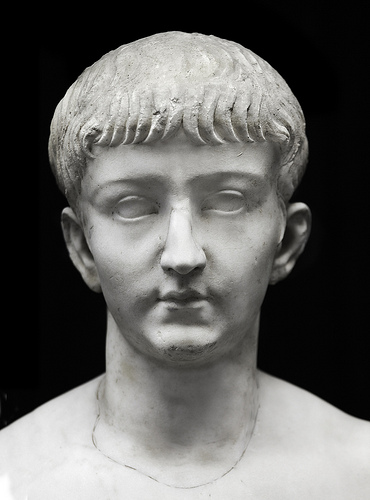
The imperial reign of Claudius had been a great boon for the Roman Empire. After the golden age of Augustus, they had trudged through the fascist militarism of Tiberius and then faced the shocking insanity of Caligula. Claudius, believed by many to be a bumbling, stammering cripple, proved to be an effective leader upon his election by the Praetorian Guard. In the chaos ensuing from the assassination from Caligula, the Senate had been in an uproar, but Claudius' steady nerve affirmed his position.
Through his reign, Claudius had expanded the empire with conquests in Britain, earning him the honorific “Britannicus”, which he refused for himself but accepted for his oldest surviving son. He built public works such as aqueducts and conducted religious and judicial reform. Claudius's improvements went deeper still, furthering natural history with his own study and adding three letters to clarify the Roman alphabet. However, his reign was not without its shadows, such as the coup planned by his wife Messalina, mother of Britannicus, and her husband by bigamy, Gaius Silius. Britannicus, though still son of the emperor, was downgraded in opinion.
Claudius remarried, this time to his niece Agrippina the Younger to secure his position further by becoming a member of the Julian as well as Claudian family. Her son, Lucius Domitius Ahenobarbus, was a direct descendant of Augustus, and Claudius happily adopted him. Domitius was two years older than Britannicus, and public opinion fell gladly upon the handsome older lad. While publicly the marriage was satisfactory, Claudius and Agrippina argued constantly. As Britannicus approached manhood, the emperor considered divorcing her and having his oldest natural son be his official heir. The current will stated for Domitius and Britannicus to be co-heirs, an obvious problem.
On October 13, 54, Claudius died. It looked as if age and ill health had caught him, but many were suspicious of Agrippina and her many contacts who were skilled in the art of poison. Agrippina worked to perfect the transition of her son to be the lone emperor and under her control. She ordered the execution of Claudius's former slave, Narcissus, now a freedman who was loyal to the emperor, upon his return. Narcissus knew that his end would come, and he began a plan to burn all of Claudius's papers, but assassins caught him before his work could begin.
The papers were searched, and a will discovered that named Britannicus the lone heir and gave bonuses to the Praetorian Guard in celebration of his coronation. Agrippina moved to have the will annulled, but the threat of the Praetorians losing their income kept her actions at bay. Several months of stalled waiting crept through Rome until Britannicus officially gained manhood and his throne. Upon his ascent, he called for exile of Agrippina and Domitius alike, citing suspicions of conspiracy and illegal execution. Later, Domitius would be suspected of murdering his mother while she was boating.
Rome celebrated their young emperor, who took up advisers such as Seneca and Burrus, who was later banished as part of a conspiracy surrounding Britannicus's distant cousin Faustus. Britannicus treated Faustus well, and further suspicions never arose. With power continuing to consolidate as he grew, Britannicus worked to reform punishments and taxes. He did not spend as much as many said he should on city improvements, instead always looking toward the borders of Rome for expansion. Britain revolted under Boudicca, but Britannicus's generals put down the rebels and saved his namesake. Later, Rome went to war with Parthia over influence in Armenia. While advisers recommended peace because of struggles with grain supplies and the imperial budget, Britannicus conferred with his general Vespasian, and the invasion of Parthia began.
The next few years were tough in Rome with troops continually pouring eastward, but the plunder more than paid for the military action. Vespasian's son Titus, a friend from childhood of Britannicus, put down a revolt in Judaea and secured the loot from their golden temple as a side-expedition from the conquest of Parthia. The Flavian family would remain close to the Claudians for the rest of their dynasty.
The fire of 64 awoke Britannicus's attention to Rome itself. Its origin was blamed on Parthian agents, sending public opinion in great favor for the expensive war. With the shiploads of gold brought back from the Parthian palaces, Britannicus set to rebuild Rome better than before. City-planning and administration of the enormous empire consumed the remainder of Britannicus's rule.
Emperors would continue through Britannicus's son Julius Claudius in a dynasty that would last another century. Parthia would revolt successfully in the late-100s, and plague and drought would cause uproar throughout the empire in 235. With the assassination of the emperor and many of his senators, the empire would shatter into rival states such as Africa/Hispania, Italia, Gaulia, Germania, and Palmyrene. Civil war crippled these states, allowing outsiders such as the Rus, Kush, Celts, and Parthians to conquer lands away from them.
Political power became increasingly decentralized and destabilized, bringing a new dark age. The many religious groups each with their own figure, such as Isis, Christ, and Mithras, fought for supremacy while warlords secured territory through fear of force. It would not be until the introduction of trade along defended routes carved by the Nordic Vikings that prosperity returned to Europe in the ninth century.
–
In reality, Domitius would become emperor and be called “Nero.” Narcissus succeeded in burning Claudius's papers, and it is unknown whether he put into written contract that he had begun to favor Britannicus. Britannicus himself was co-heir, though not of age at the time of Nero's ascension, and would be murdered days before his fourteenth birthday and manhood.
Showing events on this day in years past that shaped history... just, not our history.
Wednesday, October 13, 2010
October 13, 54 – Britannicus Named Heir to Claudius
Labels:
alternate history,
britannicus,
claudius,
nero
Tuesday, October 12, 2010
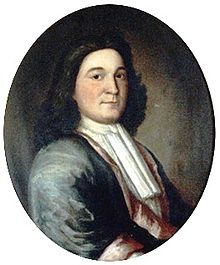
October 12, 1692 – Phips Orders Inquisition
Upon his confirmation as Governor of the Massachusetts colony on May 4, 1692, William Phips found a state of uproar. Settlers hungry for land to feed their growing families pushed north and westward into the frontier, provoking attacks from the Indians. Internally, panic had seized the town of Salem and seemed to be spreading as witchcraft had violently found its way into the colony.
On May 29, he ordered a Court of Oyer and Terminer to settle the matter. He appointed judges to listen to the accusations promoted by girls afflicted with seizures and weigh their opinions against the supposed witches. By June 8, Bridget Bishop was the first witch convicted, later to be hanged. While Phips, the former sea captain, anticipated the court to be the end of witchcraft, it only spread more panic. Suspicions arose that the fear of witches brought false accusations that led to great advantages when the accusers seized valuable property.
Through the summer, witch after witch was accused and many were hanged. Several died in prison and others while undergoing torture to secure confessions. After all, if a witch were to confess, the soul might be saved while the body was punished. Better an innocent soul to be in Heaven than a guilty person freely walking the earth under the Devil’s domain. While the puritanical logic seemed sound, the system came under increasing question.
The Mathers, Cotton and his father Increase, were some of the first to speak up over the questions of “spectral evidence” used in the court. As early as June 15, Cotton Mather, wrote to the court warning of hearing testimony that was “spectral”, or simply dreams and visions made by the accuser that could so easily be fabricated. His advice was mostly ignored, though the name was held in esteem. Cotton is often understood as something of the beginning of the crackdown on witchcraft by the publication of his book Remarkable Providences in 1688, which brought the notion of warning dreams to the minds of so many.
On October 3, Increase Mather, who was President of Harvard College, publically denounced spectral evidence. When he had heard the opinion of Mather, Phips decided that the rampant trials had gone so far as madness. He placed a moratorium on proceedings and cited the “danger some of their innocent subjects might be exposed to” based on this lack of evidence that may simply have been fear-mongering by the accusers in a letter to the Privy Council of the Crown. In same letter, he outlined his plan to begin a new system of finding and judging witches.
The same day, October 12, Phips asked Cotton Mather to head an inquisition to establish a logical and “scientiffik” method of determining witchcraft. Cotton agreed, and the formal study of witch-hunting came to the colony. Initially, Cotton worked on the cases at hand, advising the Court of Oyer and Terminer until its dissolution weeks later. By the end of the month, most of the prisoners were released and higher court proceedings ruled further accused witches innocent. Several witches, however, were proven guilty.
In 1683, Cotton published Wonders of the Invisible World, a guide to his methods of witch-catching. He drew upon numerous sources including first-hand accounts from Salem as well as Glanvill’s Saducismus Triumphatus. Cases against witches could only be drawn on concrete grounds, of which Cotton gave numerous examples. Over the next year, the hysteria of witchcraft settled to vigilance, and Cotton’s investigators traveled throughout the colony researching potential Sabbats, familiars, and unruly women suspected of cavorting with evil powers.
Through the eighteenth century, the numbers of witches found among colonists would dwindle, especially as laws limiting the powers of women were enacted. The investigators gradually shifted their attention to obvious witches in the shaman of the Indians. In numerous altercations, these shamans would fall under assassination, attack, and arrest to end their devilish ways. In the times leading up to the Revolution, the investigators used their skills to root out rebel spies among the Loyalists, leading to a brutal covert war of military intelligence. The American victory ended the work of Mather’s Investigators, and lingering anger over their dominance aided in the passing of many parts of the Bill of Rights, especially in the First (which legalized white magic as religious practice), Fifth, and Seventh Amendments.
–
In reality, Phips simply shut down the witch hunt. He prohibited arrests and worked toward the pardon of many supposed witches. When the courts were dissolved, the hysteria died away, leaving a lingering spirit of guilt. August 26, 1706, Ann Putnam Jr, who was not one of the first but one of the loudest accusers, stood before Salem Village church and asked forgiveness for her part in what had been a very dark prank.
On May 29, he ordered a Court of Oyer and Terminer to settle the matter. He appointed judges to listen to the accusations promoted by girls afflicted with seizures and weigh their opinions against the supposed witches. By June 8, Bridget Bishop was the first witch convicted, later to be hanged. While Phips, the former sea captain, anticipated the court to be the end of witchcraft, it only spread more panic. Suspicions arose that the fear of witches brought false accusations that led to great advantages when the accusers seized valuable property.
Through the summer, witch after witch was accused and many were hanged. Several died in prison and others while undergoing torture to secure confessions. After all, if a witch were to confess, the soul might be saved while the body was punished. Better an innocent soul to be in Heaven than a guilty person freely walking the earth under the Devil’s domain. While the puritanical logic seemed sound, the system came under increasing question.
The Mathers, Cotton and his father Increase, were some of the first to speak up over the questions of “spectral evidence” used in the court. As early as June 15, Cotton Mather, wrote to the court warning of hearing testimony that was “spectral”, or simply dreams and visions made by the accuser that could so easily be fabricated. His advice was mostly ignored, though the name was held in esteem. Cotton is often understood as something of the beginning of the crackdown on witchcraft by the publication of his book Remarkable Providences in 1688, which brought the notion of warning dreams to the minds of so many.
On October 3, Increase Mather, who was President of Harvard College, publically denounced spectral evidence. When he had heard the opinion of Mather, Phips decided that the rampant trials had gone so far as madness. He placed a moratorium on proceedings and cited the “danger some of their innocent subjects might be exposed to” based on this lack of evidence that may simply have been fear-mongering by the accusers in a letter to the Privy Council of the Crown. In same letter, he outlined his plan to begin a new system of finding and judging witches.
The same day, October 12, Phips asked Cotton Mather to head an inquisition to establish a logical and “scientiffik” method of determining witchcraft. Cotton agreed, and the formal study of witch-hunting came to the colony. Initially, Cotton worked on the cases at hand, advising the Court of Oyer and Terminer until its dissolution weeks later. By the end of the month, most of the prisoners were released and higher court proceedings ruled further accused witches innocent. Several witches, however, were proven guilty.
In 1683, Cotton published Wonders of the Invisible World, a guide to his methods of witch-catching. He drew upon numerous sources including first-hand accounts from Salem as well as Glanvill’s Saducismus Triumphatus. Cases against witches could only be drawn on concrete grounds, of which Cotton gave numerous examples. Over the next year, the hysteria of witchcraft settled to vigilance, and Cotton’s investigators traveled throughout the colony researching potential Sabbats, familiars, and unruly women suspected of cavorting with evil powers.
Through the eighteenth century, the numbers of witches found among colonists would dwindle, especially as laws limiting the powers of women were enacted. The investigators gradually shifted their attention to obvious witches in the shaman of the Indians. In numerous altercations, these shamans would fall under assassination, attack, and arrest to end their devilish ways. In the times leading up to the Revolution, the investigators used their skills to root out rebel spies among the Loyalists, leading to a brutal covert war of military intelligence. The American victory ended the work of Mather’s Investigators, and lingering anger over their dominance aided in the passing of many parts of the Bill of Rights, especially in the First (which legalized white magic as religious practice), Fifth, and Seventh Amendments.
–
In reality, Phips simply shut down the witch hunt. He prohibited arrests and worked toward the pardon of many supposed witches. When the courts were dissolved, the hysteria died away, leaving a lingering spirit of guilt. August 26, 1706, Ann Putnam Jr, who was not one of the first but one of the loudest accusers, stood before Salem Village church and asked forgiveness for her part in what had been a very dark prank.
Labels:
alternate history,
salem witch trials
Monday, October 11, 2010
October 11, 1809 – Meriwether Lewis Defeats Muggers
The life of Meriwether Lewis had taken a sour turn. Growing up in rural Georgia, Lewis had found a keen mind in natural history and skills as an outdoorsman. After graduating from university at Liberty Hall and joining the Virginia militia, he joined the American military formally in 1795 as a lieutenant. Lewis would serve there for six years until being hand-selected as an aide by President Thomas Jefferson, where he would comment on political matters from the military’s point of view. In 1803, he would begin his most famous project: the expedition to the Pacific along with his former fellow soldier, William Clark and the Corps of Discovery.
Upon their successful return to civilization in 1806, Lewis and Clark were hailed as heroes. Clark was made an agent of Indian Affairs and led militia in Missouri, including several campaigns in the War of 1812. Lewis, meanwhile, received a reward of 1,600 acres of land and appointment as Governor of the Louisiana Territory. He settled in St. Louis, where his administration met with mixed success. While he made great progress in the fur trade and road-building, the pressure of settlers against Indian uprisings as well as the inanity of politics and slow mail drove him to drink heavily.
In 1809, issues arose with his expense reports to the War Department, and questions of abuse of power were reviewed. Lewis set out for Washington to absolve these issues, at first planning a boat trip from New Orleans, but then deciding to go overland along the Natchez Trace. On October 10, he and his servants stopped at Grinder’s Stand, an inn some 70 miles from Nashville.
He was agitated from the stress of his administration and the weight of arguing his case for expenses. The innkeeper’s wife, Mrs. Grinder, would describe him as talking to himself, as if practicing conversation with a lawyer. He excused himself from dinner and retired early, though he was unable to sleep. After midnight and under the influence of a good deal of drink, he finally began to rest, but a noise startled him as robbers were infiltrating his room. He jumped to stop them, grabbing his pistol from its holster and firing.
By a great miracle, the charging Lewis dodged the robbers’ counterattack except for a bullet that pierced his left arm. Much of their attention was drawn to a whiskey bottle he had thrown in their direction, which broke and emptied. He shot one in the leg and bludgeoned the other with the butt of his gun, causing them to flee into the night. Just after they left, he caught Mrs. Grinder’s watchful eye peeking through the wallboards. Lewis summoned his servants and decided to leave immediately.
Facing what may have been his death, Lewis suddenly felt reinvigorated. His position as governor had stifled him, whereas it was nature that kept him strong. He vowed never to drink again and would conjure the image of the broken whiskey bottle whenever the urge struck him. Rather than staying in inns, he led his servants on an expeditious hike, following the trail but seeking new way stations hinted on the map. He arrived in Washington before expected and used the time for an appointment with President James Madison.
In an hours-long talk with Madison, Lewis resigned his position as governor and set forth a plan: a renewed Corps of Discovery aimed at furthering exploration and establishment of trails for effective settlement and, more importantly in his opinion, exploitation of natural resources. Madison approved, and the Department of Discovery would be later created under act of Congress. While the political matters were settled, Lewis sold land to pay his debts to the War Department and began to write in earnest to edit and publish the journals of the original Corps of Discovery. Money gained from the publication was routed into accounts to further Lewis’s dream. Later publications would contribute to the financial success of his expeditions.
Lewis would direct the Corps until his death while attempting to navigate the Grand Canyon in 1841. His direct contributions to the natural history of the West would serve as a great foundation for the later work of botanists, biologists, and geologists. Indirectly, his efforts through the Discovery Department enabled the construction of the intercontinental railway in 1857 as well as the managed rushes to discoveries of mineral wealth being translated into established cities, navigable and irrigated waterways, and roadways that would enable the fast transport of goods and soldiers throughout the West.
Jefferson, while writing about Lewis in a letter, would sum him up effectively as, “A man made for planning but not for rule.”
–
In reality, Meriwether Lewis died of heavy bleeding from multiple gunshot wounds believed to be suicide. Clark and Jefferson, who both had known Lewis, found the possibility of suicide somberly realistic. Historians debate the issue, but it is sound that Lewis stands as one of the greatest contributors to North American naturalistic study.
In 1809, issues arose with his expense reports to the War Department, and questions of abuse of power were reviewed. Lewis set out for Washington to absolve these issues, at first planning a boat trip from New Orleans, but then deciding to go overland along the Natchez Trace. On October 10, he and his servants stopped at Grinder’s Stand, an inn some 70 miles from Nashville.
He was agitated from the stress of his administration and the weight of arguing his case for expenses. The innkeeper’s wife, Mrs. Grinder, would describe him as talking to himself, as if practicing conversation with a lawyer. He excused himself from dinner and retired early, though he was unable to sleep. After midnight and under the influence of a good deal of drink, he finally began to rest, but a noise startled him as robbers were infiltrating his room. He jumped to stop them, grabbing his pistol from its holster and firing.
By a great miracle, the charging Lewis dodged the robbers’ counterattack except for a bullet that pierced his left arm. Much of their attention was drawn to a whiskey bottle he had thrown in their direction, which broke and emptied. He shot one in the leg and bludgeoned the other with the butt of his gun, causing them to flee into the night. Just after they left, he caught Mrs. Grinder’s watchful eye peeking through the wallboards. Lewis summoned his servants and decided to leave immediately.
Facing what may have been his death, Lewis suddenly felt reinvigorated. His position as governor had stifled him, whereas it was nature that kept him strong. He vowed never to drink again and would conjure the image of the broken whiskey bottle whenever the urge struck him. Rather than staying in inns, he led his servants on an expeditious hike, following the trail but seeking new way stations hinted on the map. He arrived in Washington before expected and used the time for an appointment with President James Madison.
In an hours-long talk with Madison, Lewis resigned his position as governor and set forth a plan: a renewed Corps of Discovery aimed at furthering exploration and establishment of trails for effective settlement and, more importantly in his opinion, exploitation of natural resources. Madison approved, and the Department of Discovery would be later created under act of Congress. While the political matters were settled, Lewis sold land to pay his debts to the War Department and began to write in earnest to edit and publish the journals of the original Corps of Discovery. Money gained from the publication was routed into accounts to further Lewis’s dream. Later publications would contribute to the financial success of his expeditions.
Lewis would direct the Corps until his death while attempting to navigate the Grand Canyon in 1841. His direct contributions to the natural history of the West would serve as a great foundation for the later work of botanists, biologists, and geologists. Indirectly, his efforts through the Discovery Department enabled the construction of the intercontinental railway in 1857 as well as the managed rushes to discoveries of mineral wealth being translated into established cities, navigable and irrigated waterways, and roadways that would enable the fast transport of goods and soldiers throughout the West.
Jefferson, while writing about Lewis in a letter, would sum him up effectively as, “A man made for planning but not for rule.”
–
In reality, Meriwether Lewis died of heavy bleeding from multiple gunshot wounds believed to be suicide. Clark and Jefferson, who both had known Lewis, found the possibility of suicide somberly realistic. Historians debate the issue, but it is sound that Lewis stands as one of the greatest contributors to North American naturalistic study.
Labels:
alternate history,
lewis,
meriwether
Sunday, October 10, 2010
October 10, 1471 – Christian I Secures Danish Rule over Kalmar Union
The Kalmar Union had formed thanks to the complicated intermarriages of Scandinavian royalty. Margret I of Denmark married Haakon VI of Norway (son of Magnus IV of Sweden and Norway), meaning that their son Olav had direct claim to the crown of Denmark and Norway as well as a strong bid for Sweden. Olav's young death meant that the crown would be given to an elected regent, who nearly always was Danish. While many Swedes balked, soldiers and fear of growing German power kept them in line. In 1397, the union was made formal by the Treaty of Kalmar, which created what hoped would be eternal united strength for all Scandinavia under one crown.
The crown passed from Margret of Denmark to Eric of Pomerania and back to John of Denmark. The Swedes struggled under Danish rule, specifically upset over routine wars against southern Baltic nations, disrupting trade and keeping valuable Swedish iron ore in storehouses. All-out revolt sparked the Engelbrekt Rebellion, which ejected Danes from Sweden as new ideas of democracy were creeping in. The peasants were willing to fight for something they could call their own, and such a power base gave rise to election of Sten Sture the Elder. War broke out between his forces and the Dane-favored older aristocracy, prompting Christian I of Denmark to step in with Danish regulars and German mercenaries.
Their armies met at Brunkenberg, just north of Stockholm. Sten planned a pincer movement with his lieutenants: Sten would sweep in from the west while Nils Sture attacked from the forest on the northeast and Knut Posse marched from the city itself. Christian marched into the trap and suddenly found himself surrounded.
In the midst of battle, a musket ball hurled toward Christian's face, and he moved slightly enough for it to graze his cheek. The terror of near-death gave way to a feeling of powerful courage, as if God had given him a sign to cast out the rebels. He rallied his troops and began a charge toward Klara monastery, where some of his men had been cut off from the rest of the army. The other Danish forces held while Christian routed Nils and regrouped with the lost regiments. They moved from the north toward Sten, flanking him and causing his loyal army of farmers and miners to break under Danish might. When word spread that Sten had been killed in battle, the movement crumbled, and Knut Posse's army surrendered after considering a desperate defense in Stockholm.
The Battle of Brunkeberg would prove to be a great emblem for the Kalmar Union. Christian spread propaganda about his victory and commissioned sculptor Bernt Notke to carve a statue of Michael the Archangel slaying demons that had rebelled against Heaven. Refocusing Swedish economic policy toward autocracy, he squelched the growing ideals of democracy and reaffirmed Denmark as the leader of the Scandinavians. Wielding the might of the Kalmar Union, the Danes would gradually conquer southward and come to hold the Baltic Sea as their own.
Denmark would further its sphere of influence with great victories in the Fifteen Years' War (1618 to 1633), bringing about the collapse of the Holy Roman Empire and the establishment of free states within the Germanies and much of the Protestant north under their political sway. France, Spain, and Austria would unite against the growing Protestant threat over the next century in a series of wars that would ultimately lead to the forced breakup of the Union. They would attempt a new, more covert Holy Roman Empire under the guise of diplomacy and pitting Swedish, Danish, and Norwegian princes and dukes against one another for the next century.
During his conquests of Europe, Napoleon would reestablish unity for each of the people groups, but keep them under separate, hand-chosen kings. Disunited, but finally at peace, the Scandinavians would prosper greatly as they caught up to latter parts of the Industrial Revolution.
–
In reality, King Christian I would be hit by the musket ball, causing him to lose several teeth and order his guard to retire from the battle. They attempted to retreat to Käpplingen Island, but the hastily-built bridge was destroyed by Sten's troops, causing havoc while the rest of the Danes were defeated. To commemorate the battle, before which Sten said he prayed to St. George, he would commission the statue of St. George and the Dragon for Storkyrkan Church. Sten was assured as viceroy of Sweden, beginning the downfall of the Kalmar Union and the prelude to rule by the Vasas, who would assume power after Sten's death in 1503. After more altercations with Danish invasion, the Swedes would finally rise to dominate northern Europe in the 1600s.
Their armies met at Brunkenberg, just north of Stockholm. Sten planned a pincer movement with his lieutenants: Sten would sweep in from the west while Nils Sture attacked from the forest on the northeast and Knut Posse marched from the city itself. Christian marched into the trap and suddenly found himself surrounded.
In the midst of battle, a musket ball hurled toward Christian's face, and he moved slightly enough for it to graze his cheek. The terror of near-death gave way to a feeling of powerful courage, as if God had given him a sign to cast out the rebels. He rallied his troops and began a charge toward Klara monastery, where some of his men had been cut off from the rest of the army. The other Danish forces held while Christian routed Nils and regrouped with the lost regiments. They moved from the north toward Sten, flanking him and causing his loyal army of farmers and miners to break under Danish might. When word spread that Sten had been killed in battle, the movement crumbled, and Knut Posse's army surrendered after considering a desperate defense in Stockholm.
The Battle of Brunkeberg would prove to be a great emblem for the Kalmar Union. Christian spread propaganda about his victory and commissioned sculptor Bernt Notke to carve a statue of Michael the Archangel slaying demons that had rebelled against Heaven. Refocusing Swedish economic policy toward autocracy, he squelched the growing ideals of democracy and reaffirmed Denmark as the leader of the Scandinavians. Wielding the might of the Kalmar Union, the Danes would gradually conquer southward and come to hold the Baltic Sea as their own.
Denmark would further its sphere of influence with great victories in the Fifteen Years' War (1618 to 1633), bringing about the collapse of the Holy Roman Empire and the establishment of free states within the Germanies and much of the Protestant north under their political sway. France, Spain, and Austria would unite against the growing Protestant threat over the next century in a series of wars that would ultimately lead to the forced breakup of the Union. They would attempt a new, more covert Holy Roman Empire under the guise of diplomacy and pitting Swedish, Danish, and Norwegian princes and dukes against one another for the next century.
During his conquests of Europe, Napoleon would reestablish unity for each of the people groups, but keep them under separate, hand-chosen kings. Disunited, but finally at peace, the Scandinavians would prosper greatly as they caught up to latter parts of the Industrial Revolution.
–
In reality, King Christian I would be hit by the musket ball, causing him to lose several teeth and order his guard to retire from the battle. They attempted to retreat to Käpplingen Island, but the hastily-built bridge was destroyed by Sten's troops, causing havoc while the rest of the Danes were defeated. To commemorate the battle, before which Sten said he prayed to St. George, he would commission the statue of St. George and the Dragon for Storkyrkan Church. Sten was assured as viceroy of Sweden, beginning the downfall of the Kalmar Union and the prelude to rule by the Vasas, who would assume power after Sten's death in 1503. After more altercations with Danish invasion, the Swedes would finally rise to dominate northern Europe in the 1600s.
Labels:
alternate history,
brunkenberg,
kalmar,
sture
Saturday, October 9, 2010
October 9, 1002 – Smallpox Introduced to the New World
The discovery of the New World by Europeans came as something of an accident in 985. Viking Bjarni Herjolfsson was sailing to Greenland to visit his father after wintering in Iceland when bad weather caught his ship, blowing it far off course to a land covered in trees. It seemed good for settlement, but Bjarni and his crew decided to leave the discovery for their intended goal of Greenland.
Leif Eriksson, son of the famous Erik the Red who had helped found Greenland, became fascinated with the rumors of rich lands to the west. He put together an expedition, buying Bjarni's boat (after all, it had been lucky enough to find the land the first time, so perhaps it was favored) and crewing it with 35 men. According to the Grœnlendinga saga, Leif asked his father to head the expedition, but the elder man refused, saying signs had shown that he was too old for such adventures. Leif would lead himself. At the last moment, he decided to bolster his crew with two more Vikings, one of whom had recently arrived from Spain.
The expedition sailed for days, finally coming upon a land covered in flat rocks, perhaps today's Baffin Island. They proceeded further south to the wooded Markland (Labrador) and at last arrived at the warm and fruitful Vinland (Newfoundland). The Vikings settled there among wild grapes and streams full of salmon, staying the winter. While there, it became obvious that the Viking from Spain had contracted the new and strange plague that was there, causing horrid blisters over the skin and high fevers. They cast him out of their settlement, making him seek help from the native Skraeling. From the sagas, it is believed the natives killed the man, but they became infected with what would later be called “smallpox” as it infected Europe.
Leif's expedition would return to Greenland with a wealthy cargo, even collecting a shipwrecked Viking and adding his wares to theirs. Earning the nickname “Leif the Lucky”, he would not return to Vinland, citing the dangerous peoples there. Other Vikings such as Thorvald, Karlsefni, and the treacherous Freydis would mount expeditions to Vinland, but no permanent settlement would ever take root. Meanwhile, the smallpox plague would sweep through the New World, wiping out some ninety percent of the population.
Nearly 500 years later, an Italian sailing for Spain would re-discover the lands west of the Ocean. Christopher Columbus would begin establishing trading posts and exploring. While the natives were at a severe disadvantage facing Conquistador firearms and steel, the sheer numbers of the population kept Spanish influence in check. The disastrous expedition of Cortes against the Aztec Empire would prove this, causing the deaths of hundreds of Spaniards and a military crackdown that would keep the Aztecs in power and limit relations with the Spanish to suspicious trade.
The Spanish gradually gained a sphere of influence over Middle and South America, but they could not establish the empire they hoped. Trade made them wealthy, but hardly more so than the Portuguese and their trade route around Africa as well as their trading posts in Brazil. In North America, the French would come out best, working well with the locals and harvesting furs for rich trade. The English made repeated attempts at settlement but were wiped out at Roanoke, Jamestown, and Charleston. Religious Separatists would found a plantation in Plymouth, which existed only at the mercy of the local tribes.
Eventually European technology would prove overwhelming, and the Americas would be carved up among the powers as they would do with Africa and Southeast Asia. Rule would be colonial rather than hardy frontiersmen in an empty land with tribes establishing treaties and forming military alliances while European maps gradually filled in gaps.
After the World Wars, industrialized Europe would grow tired of imperialism. Those colonies that could be kept were organized into commonwealths while the others were set into somewhat spontaneous political independence. Much of Aztec land would stand stolid, if backward, while the Incan princes maintained political domination over much of South America. In North America, tribes such as the Nez Perce, Cherokee, and Iroquois Confederation would form functional and profitable nations, other tribes in the Great Plains and Southwest found themselves plagued by warlords. Genocide in the Americas is a common issue brought before international committees on Third World charity.
–
In reality, small pox had not yet spread to the Vikings and would not have a conduit into the New World until the coming of the Spanish. The native population faced terrible plague that wiped out numerous tribes. This power vacuum allowed European powers to exert further control to establish cultural-revolutionizing empires and simply take up the now-empty land with wave upon wave of settlers.
The expedition sailed for days, finally coming upon a land covered in flat rocks, perhaps today's Baffin Island. They proceeded further south to the wooded Markland (Labrador) and at last arrived at the warm and fruitful Vinland (Newfoundland). The Vikings settled there among wild grapes and streams full of salmon, staying the winter. While there, it became obvious that the Viking from Spain had contracted the new and strange plague that was there, causing horrid blisters over the skin and high fevers. They cast him out of their settlement, making him seek help from the native Skraeling. From the sagas, it is believed the natives killed the man, but they became infected with what would later be called “smallpox” as it infected Europe.
Leif's expedition would return to Greenland with a wealthy cargo, even collecting a shipwrecked Viking and adding his wares to theirs. Earning the nickname “Leif the Lucky”, he would not return to Vinland, citing the dangerous peoples there. Other Vikings such as Thorvald, Karlsefni, and the treacherous Freydis would mount expeditions to Vinland, but no permanent settlement would ever take root. Meanwhile, the smallpox plague would sweep through the New World, wiping out some ninety percent of the population.
Nearly 500 years later, an Italian sailing for Spain would re-discover the lands west of the Ocean. Christopher Columbus would begin establishing trading posts and exploring. While the natives were at a severe disadvantage facing Conquistador firearms and steel, the sheer numbers of the population kept Spanish influence in check. The disastrous expedition of Cortes against the Aztec Empire would prove this, causing the deaths of hundreds of Spaniards and a military crackdown that would keep the Aztecs in power and limit relations with the Spanish to suspicious trade.
The Spanish gradually gained a sphere of influence over Middle and South America, but they could not establish the empire they hoped. Trade made them wealthy, but hardly more so than the Portuguese and their trade route around Africa as well as their trading posts in Brazil. In North America, the French would come out best, working well with the locals and harvesting furs for rich trade. The English made repeated attempts at settlement but were wiped out at Roanoke, Jamestown, and Charleston. Religious Separatists would found a plantation in Plymouth, which existed only at the mercy of the local tribes.
Eventually European technology would prove overwhelming, and the Americas would be carved up among the powers as they would do with Africa and Southeast Asia. Rule would be colonial rather than hardy frontiersmen in an empty land with tribes establishing treaties and forming military alliances while European maps gradually filled in gaps.
After the World Wars, industrialized Europe would grow tired of imperialism. Those colonies that could be kept were organized into commonwealths while the others were set into somewhat spontaneous political independence. Much of Aztec land would stand stolid, if backward, while the Incan princes maintained political domination over much of South America. In North America, tribes such as the Nez Perce, Cherokee, and Iroquois Confederation would form functional and profitable nations, other tribes in the Great Plains and Southwest found themselves plagued by warlords. Genocide in the Americas is a common issue brought before international committees on Third World charity.
–
In reality, small pox had not yet spread to the Vikings and would not have a conduit into the New World until the coming of the Spanish. The native population faced terrible plague that wiped out numerous tribes. This power vacuum allowed European powers to exert further control to establish cultural-revolutionizing empires and simply take up the now-empty land with wave upon wave of settlers.
Labels:
alternate history,
america,
leif eriksson,
small pox
Friday, October 8, 2010
October 8, 1871 – Great Lakes Fires Blamed on Meteors
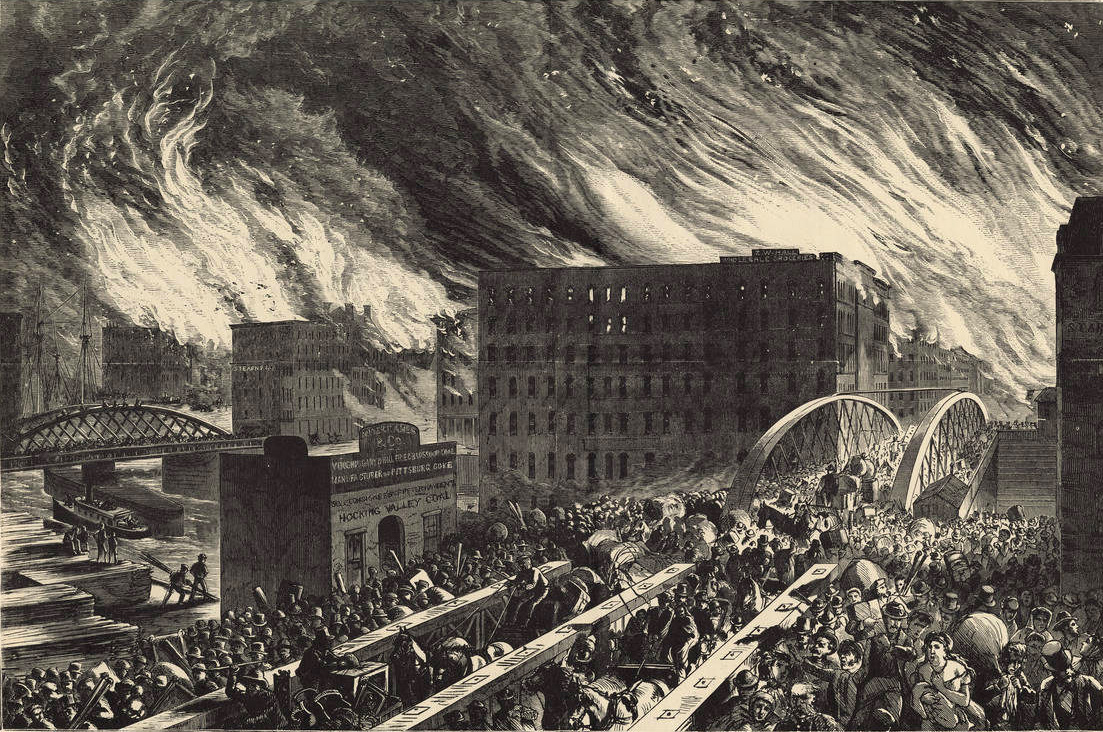
In the early night hours of Sunday, October 8, a fire started on the O'Leary property at 137 DeKoven Street that would spread to destroy some four square miles in Chicago and kill hundreds of people. There had been something of a drought, not much in the way of concern for local fire departments, but enough to propel destruction among wooden buildings on a strong wind. With its sudden start and widespread disaster (famously, even the Moody church burned), citizens were highly suspicious of arson and searched for a scapegoat.
At the time, Michael Ahern was a reporter for the Chicago Republican. He had heard the rumor that the O'Learies (Catholic immigrants, prime targets for suspicion already) had negligently allowed their cow to kick over a lantern and then letting the fire go out of control. Other stories told of sneaked smokes by youngsters and thieves starting the blaze while attempting to steal milk. Ahern was about to write a story blaming specifically Mrs. O'Leary as some "colorful copy" when he came upon an even more exciting topic.
Fires had started suddenly throughout the Great Lakes region nearly simultaneously over the weekend. Peshtigo, WI, and surrounding villages had undergone an enormous blaze that killed some 2,000 people and torched millions of acres. Urbana, IL, over one hundred miles south of Chicago had also burned, as had Holland, Mansitee, and Port Huron in Michigan. Even Windsor, Ontario, in Canada burned on the 12th. News about the disasters trickled out slowly, but various cases of eyewitnesses noted smokeless balls of blue fire falling from the sky. After some consideration, Ahern wrote a shocking story that the origin of the Chicago fire had come from the heavens.
Other tabloids picked up the notion, and the idea seared into the Chicagoan public imagination. Scientific persons scoffed at a "rain of meteors" since they would be cool to the touch by the time they landed, but few listened to them. Instead, as Chicago underwent an incredible reconstruction program, observatories and atmospheric study stations were included. In 1882, a more serious proposal of the meteors was announced, and now the scientific community listened. Some began to argue for the mysterious "ball lightning", but the suggestion was now officially in the journals. By the time of the 1893 World's Fair in Chicago, a great wealth of knowledge was collected in the Meteor Hall, which afterward would be donated to Northwestern University.
Two decades later, Robert H. Goddard, a sickly part-time instructor at Clark University began soliciting funding for experiments with rockets. While the Smithsonian offered a princely sum of $5000, Northwestern seized the chance and offered funding as well as a position and student aides. Rockets, the departments affiliated with the study of the cosmos thought, would allow for first-hand exploration of outer space. With his arrival in Chicago, Goddard began intensive plans for high-altitude meteorological instruments and, eventually, designs for a possible, though impractically expensive, orbital rocket. Arguments about propulsion in vacuum dominated much of the rest of Goddard's career.
When the Nazis proved rocketry for military use was successful in the Battle of Britain, the US Army and Navy hurried to update Goddard's designs. While students at the Massachusetts Institute of Technology worked on programmable trainers leading to computing, research at Northwestern led to development of “The Eagle,” or what a jealous Werner von Braun would later call the “V-3.” After the war, USSR would begin the Space Race by launching Sputnik, but Americans would swiftly turn and beat the Russians to the first man in orbit with Alan Shepard. Continual challenges would put men on the Moon with the Apollo program in 1963 and a short-term research station on Mars in 1974. The funding for exploratory rocketry along with the Cold War. By that time, short-range space-travel would prove profitable with hour-long sub-orbit intercontinental flights, zero-g tourism, communication and observation satellites, and Solar Energy Collection stations.
–
In reality, Ahern wrote the story blaming Mrs. O'Leary for the fire. In 1893, he would boastingly confess that he had made up the tale. Catherine O'Leary would die in 1895 of pneumonia, though descendants would say spending the rest of her life under public distrust caused her death from broken heart. Robert Wood would reexamine the meteor theory in 2004, claiming that it might have been methane released from the breakup of Biela's Comet, which would give a brilliant meteoric display in 1872.
At the time, Michael Ahern was a reporter for the Chicago Republican. He had heard the rumor that the O'Learies (Catholic immigrants, prime targets for suspicion already) had negligently allowed their cow to kick over a lantern and then letting the fire go out of control. Other stories told of sneaked smokes by youngsters and thieves starting the blaze while attempting to steal milk. Ahern was about to write a story blaming specifically Mrs. O'Leary as some "colorful copy" when he came upon an even more exciting topic.
Fires had started suddenly throughout the Great Lakes region nearly simultaneously over the weekend. Peshtigo, WI, and surrounding villages had undergone an enormous blaze that killed some 2,000 people and torched millions of acres. Urbana, IL, over one hundred miles south of Chicago had also burned, as had Holland, Mansitee, and Port Huron in Michigan. Even Windsor, Ontario, in Canada burned on the 12th. News about the disasters trickled out slowly, but various cases of eyewitnesses noted smokeless balls of blue fire falling from the sky. After some consideration, Ahern wrote a shocking story that the origin of the Chicago fire had come from the heavens.
Other tabloids picked up the notion, and the idea seared into the Chicagoan public imagination. Scientific persons scoffed at a "rain of meteors" since they would be cool to the touch by the time they landed, but few listened to them. Instead, as Chicago underwent an incredible reconstruction program, observatories and atmospheric study stations were included. In 1882, a more serious proposal of the meteors was announced, and now the scientific community listened. Some began to argue for the mysterious "ball lightning", but the suggestion was now officially in the journals. By the time of the 1893 World's Fair in Chicago, a great wealth of knowledge was collected in the Meteor Hall, which afterward would be donated to Northwestern University.
Two decades later, Robert H. Goddard, a sickly part-time instructor at Clark University began soliciting funding for experiments with rockets. While the Smithsonian offered a princely sum of $5000, Northwestern seized the chance and offered funding as well as a position and student aides. Rockets, the departments affiliated with the study of the cosmos thought, would allow for first-hand exploration of outer space. With his arrival in Chicago, Goddard began intensive plans for high-altitude meteorological instruments and, eventually, designs for a possible, though impractically expensive, orbital rocket. Arguments about propulsion in vacuum dominated much of the rest of Goddard's career.
When the Nazis proved rocketry for military use was successful in the Battle of Britain, the US Army and Navy hurried to update Goddard's designs. While students at the Massachusetts Institute of Technology worked on programmable trainers leading to computing, research at Northwestern led to development of “The Eagle,” or what a jealous Werner von Braun would later call the “V-3.” After the war, USSR would begin the Space Race by launching Sputnik, but Americans would swiftly turn and beat the Russians to the first man in orbit with Alan Shepard. Continual challenges would put men on the Moon with the Apollo program in 1963 and a short-term research station on Mars in 1974. The funding for exploratory rocketry along with the Cold War. By that time, short-range space-travel would prove profitable with hour-long sub-orbit intercontinental flights, zero-g tourism, communication and observation satellites, and Solar Energy Collection stations.
–
In reality, Ahern wrote the story blaming Mrs. O'Leary for the fire. In 1893, he would boastingly confess that he had made up the tale. Catherine O'Leary would die in 1895 of pneumonia, though descendants would say spending the rest of her life under public distrust caused her death from broken heart. Robert Wood would reexamine the meteor theory in 2004, claiming that it might have been methane released from the breakup of Biela's Comet, which would give a brilliant meteoric display in 1872.
Labels:
alternate history,
biela's comet,
chicago,
fire,
meteor
Thursday, October 7, 2010
October 7, 1849 – Poe Remarries
The life of Edgar Allan Poe had been as bleak as many of his poems. His father had abandoned the family shortly after his birth, and his mother died of tuberculosis the next year. He was taken in by the Allan family, wealthy Scotch merchants in Virginia. While the Allans never formally adopted him, Poe was given the middle name of Allan in recognition of his foster parents. He had a youth of mixed fortune: traveling with the family and being well educated, but being alternately spoiled and brutally disciplined by his foster father. Poe would attend the University of Virginia for one year before dropping out, claiming that his foster father had not given him enough of an allowance to pay for classes, texts, and dormitory.
His first disappointment in love would follow as he learned his sweetheart, Sarah Royster, had married another man. Poe would leave Richmond for Boston, stumbling semi-aimlessly with various writing jobs and unrecognized publications as well as enlisting in the army under an alias while lying about his age. He did well in the artillery but sought to leave early, which his commander would only allow if he reconciled with the Allans. John Allan refused to write back, and Poe finally visited in person, one day after his foster mother's death. Poe later attended West Point while his foster father remarried, which began a new feud that would finally have Poe disowned. Depression struck him, and he purposefully sought court-martial from gross dereliction of duty.
In 1831, while Poe was living with his aunt and cousin Virginia, his brother died. He turned more seriously to his writing as well as getting work at newspapers (though he would be fired for drunkenness or lack of productive work). In 1835, he secretly married his 13-year-old Virginia (she lying about her age on the certificate as 21), and the family life won him back his job at the Southern Literary Messenger. They married publicly the next year.
Life seemed to pick up for Poe. He was more stable than he had ever been, and his writing was gaining recognition and making money. It came to an end, however, as Virginia began showing signs of tuberculosis in 1842. The stress of his wife's illness drove Poe back to drink, and he became increasingly belligerent. The Broadway Journal failed under his editorship in 1846, and Virginia died in 1847. Poe was devastated.
In spite of tortured mourning, Poe tried to move on, soon courting poetess Sarah Helen Whitman. They had met in writing before life, Whitman writing a poem "To Edgar Allan Poe" for a Valentine's Day party he did not attend, and Poe writing in return. The courtship was a mess from Poe's erraticism, alcoholism, and Whitman's mother's attempts at sabotage. Despite the odds, they set a wedding date of December 25, 1848. Rumors that Poe had broken his vow of sobriety along with Poe's "outrages" drove them apart. It seemed another melancholic relationship for the Virginia poet.
That spring, Poe returned, signifying his devotion by smashing a whiskey bottle. In spite of her mother's pleas, Whitman took him back, though she would watch his habits closely over the rest of their lives. They were wed in 1849, and Poe's writing returned as he began the “happy half of [his] life.” His "Raven" had gained sudden recognition, and Poe finally felt vindicated in his craft. Novels, short stories, and poems surged from his pen. Whitman was a successful poet in her own right, and the two lived very comfortably. As he aged, Poe took up a professorship at the University of Virginia, teaching writing and making great strides in cryptography and logic as well as his famous satirical commentaries on cosmology and physics.
Poe stands as perhaps the greatest American author of the nineteenth century, creating several genres such as detective stories, science fiction, modern heroism, and spirit fiction all the while perfecting the Gothic horror. His advances in the theories of cryptography helped establish America as the foremost world power in code-cracking and ancient linguistics.
–
In reality, Poe did not return to Whitman. He went back to Richmond and a haphazard pursuit of his old love Sarah Royster, but his life would continue in a downward spiral. On October 3, he would be found collapsed in the street suffering from “congestion of the brain,” theorized to be rabies, cholera, heart disease, meningitis, syphilis, epilepsy, or simple alcohol poisoning. He would die on October 7, giving what many said were his last words, “Lord help my poor soul.”
In 1831, while Poe was living with his aunt and cousin Virginia, his brother died. He turned more seriously to his writing as well as getting work at newspapers (though he would be fired for drunkenness or lack of productive work). In 1835, he secretly married his 13-year-old Virginia (she lying about her age on the certificate as 21), and the family life won him back his job at the Southern Literary Messenger. They married publicly the next year.
Life seemed to pick up for Poe. He was more stable than he had ever been, and his writing was gaining recognition and making money. It came to an end, however, as Virginia began showing signs of tuberculosis in 1842. The stress of his wife's illness drove Poe back to drink, and he became increasingly belligerent. The Broadway Journal failed under his editorship in 1846, and Virginia died in 1847. Poe was devastated.
In spite of tortured mourning, Poe tried to move on, soon courting poetess Sarah Helen Whitman. They had met in writing before life, Whitman writing a poem "To Edgar Allan Poe" for a Valentine's Day party he did not attend, and Poe writing in return. The courtship was a mess from Poe's erraticism, alcoholism, and Whitman's mother's attempts at sabotage. Despite the odds, they set a wedding date of December 25, 1848. Rumors that Poe had broken his vow of sobriety along with Poe's "outrages" drove them apart. It seemed another melancholic relationship for the Virginia poet.
That spring, Poe returned, signifying his devotion by smashing a whiskey bottle. In spite of her mother's pleas, Whitman took him back, though she would watch his habits closely over the rest of their lives. They were wed in 1849, and Poe's writing returned as he began the “happy half of [his] life.” His "Raven" had gained sudden recognition, and Poe finally felt vindicated in his craft. Novels, short stories, and poems surged from his pen. Whitman was a successful poet in her own right, and the two lived very comfortably. As he aged, Poe took up a professorship at the University of Virginia, teaching writing and making great strides in cryptography and logic as well as his famous satirical commentaries on cosmology and physics.
Poe stands as perhaps the greatest American author of the nineteenth century, creating several genres such as detective stories, science fiction, modern heroism, and spirit fiction all the while perfecting the Gothic horror. His advances in the theories of cryptography helped establish America as the foremost world power in code-cracking and ancient linguistics.
–
In reality, Poe did not return to Whitman. He went back to Richmond and a haphazard pursuit of his old love Sarah Royster, but his life would continue in a downward spiral. On October 3, he would be found collapsed in the street suffering from “congestion of the brain,” theorized to be rabies, cholera, heart disease, meningitis, syphilis, epilepsy, or simple alcohol poisoning. He would die on October 7, giving what many said were his last words, “Lord help my poor soul.”
Labels:
alternate history,
edgar allan poe
Subscribe to:
Posts (Atom)