The Battle of the Atlantic took a sharp turn toward Axis power when Operation Rheinubung became one of the German navy's most glorious successes. At the head the squadron was the seemingly invincible Bismarck, the largest battleship in history up to that time. Like its namesake, Otto von Bismarck (1815-1898), the “blood and iron” of the German people would overwhelm Britannia's rule of the waves and establish a period of German domination, cutting off supplies desperately needed by the British war effort.
The Bismarck was born as part of Hitler's Plan Z, the bureaucratic allocation of resources to rebuild the Kriegsmarine. Hitler had already gained new political standing for the improved navy with the Anglo-German Naval Agreement in 1935. Four years later, Plan Z initiated enormous building projects, hoping to rival the Royal Navy by 1944 with four aircraft carriers, 68 destroyers, 249 U-boats, 55 cruisers of various classes, and ten battleships, the first of which would be the Bismarck. She was the largest warship the world had seen with a length of 251 meters, a speed of 31 knots, 13-inch-thick armor, and a vast array of armaments. Launched February 14, 1939, she would wait two years for her breakout action as World War II ground on.
The British, meanwhile, worked to limit the growth of German naval power. In addition to forcing them to divert resources to the land army, they destroyed the remnants of the French navy held by Vichy France in Operation Catapult on July 3, 1940. The British approached the French fleet at Mers-el-Kébir in Algeria and opened fire after an ultimatum asking for any ships to join the Free French Navy rather than falling into the hands of the Germans. While many French ships throughout the Mediterranean and world did just that, the British felt themselves forced to destroy the fleet to keep it out of Hitler's hands. In a surprise attack, the British sank the battleship Bretagne, damaged six other ships, and killed nearly 1,300 French sailors.
Attack at Mers-el-Kébir drove a rift between Churchill and the French Resistance under General Charles de Gaulle, but the British considered the risk of angering an ally reasonable compared to an Atlantic full of German ships. Hitler recognized the British fear of losing the naval superiority they had held for nearly two centuries and decided to redouble his efforts on Plan Z. Initially, he had only planned to neutralize the French fleet; now he decided to rebuild it into a Mediterranean battlegroup to aid his Italian allies. While resources were strapped as the war began with Russia, he decided Germany would make the best use of what it had. Ships would act in orchestrated battle groups where heavy escort would overwhelm any British resistance.
On May 18, 1941, Operation Rheinubung (“Rhine Exercise”) began, forming up the impressive German fleet in the Baltic and storming the Denmark Strait on May 24 to break the British blockade. While only the Bismarck and heavy cruiser Prinz Eugen might have been ready for the battle, Hitler pressed his navy to finish repairs on the Gneisenau and Scharnhorst battleships and even rush to complete the sea trials for the Tirpitz, Bismarck's sister ship. Aided by U-boats as skirmishers and (whose arm had been wrenched by Hitler into cooperation), the sortie into the Atlantic began with the devastating battle off Norway where the Bismarck sank the HMS Hood, the pride of the Royal Navy. Britain reeled, and Churchill famously demanded, “Sink the Bismarck!” The Navy swarmed to attack the battle group, focusing specifically on the flagship, but the German iron seemed unbreakable. After several more devastating assaults, the German ships finally turned back to France, where they would refuel and turn out into the Atlantic again to prey on Allied commercial shipping.
Also on May 24, FDR gave his speech announcing “unlimited national emergency” as Germans had seemingly come to gain the advantage in the Battle of Atlantic. Rather than repeating his 1933 idea of “the only thing we have to fear is fear itself”, he addressed America with a dire warning of what Nazi takeover of the West would mean: restrictions on worship, workers enslaved to a foreign military machine, and children stolen into the ranks of the Hitler Youth. He emphasized his Pan-American Security Zone (which reached nearly to Iceland) and stated that German naval attack within the zone would be paramount to a declaration of war. Hitler, on May 27, announced German control of the seas.
When Germany began raids on the Canadian coast in September of 1941, Congress voted for a declaration of war, and the United States formally joined the Allies. The action quickly brought the East Coast Battles, where German battleships and newly refitted French aircraft carriers launched bombing raids on Boston, New York, and Washington, D.C. Britain nearly folded as civilians suffered starvation and almost free attack from German planes, but finally the tide of the war turned against Germany in 1943 when the Bismarck was damaged beyond repair and scuttled in the Battle of Nassau. Taking up courage to counterattack, the Allies coordinated invasions, finally breaking the German resistance with the atomic bombs of 1946.
–
In reality, the Royal Navy sank the Bismarck. Hitler took little notice of the French fleet, considering it out of the way and focusing on his land and air forces. After sinking the Hood, the Bismarck was ruthlessly pursued by the Royal Navy until two carriers, three battleships, four cruisers, and seven destroyers converged to destroy the Bismarck utterly, with 2,200 sailors drowning along with her.
Showing events on this day in years past that shaped history... just, not our history.
Showing posts with label world war 2. Show all posts
Friday, May 27, 2011
May 27, 1941 – Bismarck Dominates Sea Lanes
Labels:
alternate history,
battle of atlantic,
bismarck,
world war 2
Tuesday, December 7, 2010
December 7, 1941 – Pearl Harbor Raid Destroys Two Carriers
At 7:48 AM, Hawaiian time, the air raid on the American fleet stationed in Pearl Harbor began as the Japanese Operation Z came to completion. For several hours, cacophony and pandemonium reigned over the base, with more than three thousand killed, thousands more wounded, and nine ships sunk with another dozen damaged. It was truly a date that would live in infamy, as President Franklin D. Roosevelt would report to the American public the next day as Congress began its proceedings to vote a declaration of war that would bring the United States into World War II.
What was a haven of misfortune for the American Pacific Fleet became even worse as fateful flukes brought two of America’s three aircraft carriers to the harbor. Bad luck had haunted the USS Lexington as it had prepared to venture with Task Force 12 to carry marine aircraft in reinforcement of Midway Island, long expected to be the battleground for a Japanese attack, if any. Engine troubles had kept the Lexington at Pearl Harbor with engineers baffled and working to improve repairs that had been overly hasty some time before. The Enterprise, meanwhile, had seemed to carry good luck, arriving into port a day ahead of schedule on December 6 thanks to catching favorable current from a distant storm. The two carriers were well placed near Battleship Row for the Japanese torpedo-bombers to destroy both.
By afternoon of December 7, the USS Saratoga was the only American carrier in the Pacific. It raced into action to reinforce Wake Island, stopping at the devastated Pearl Harbor along the way only long enough to refuel, but was forced to turn back when the Japanese conquered Wake with the remainder of its attacking fleet on its return from Hawaii. Running patrols and hoping to recoup, the States soon launched the USS Hornet, which had been laid down in 1939 and commissioned only two months before. In a strike that would be tactically negligible but key to American propaganda, the Hornet would serve and the launching platform for the Doolittle Raid against Tokyo on April 18, 1942,, showing the American and Japanese public alike that the US could strike wherever it wished.
In retaliation for Tokyo, Yamamoto realized the need for a strong buffer from US ships and determined to strike at Midway. The US Navy had always anticipated the attack, and the battle would be the second large-scale altercation of the Pacific War after the devastating loss at Coral Sea. Despite having broken Japanese code and inflicting heavy losses, the Americans would be forced to surrender with the sinking of the Hornet as they simply did not have the manpower to throw back the Japanese attack, much as had happened at Coral Sea the month before, where the Lexington had been sunk.
With these two major losses, the Japanese Empire stood almost unopposed in the Pacific. The Aleutian Campaign saw brutal US Marine defense against a Japanese island-hopping campaign that inflicted frustration among commanders. Meanwhile in the South Pacific, the Japanese fleet transported its army into swift invasions of New Zealand and Australia. While principle population centers such as Sydney and Auckland and important resources such as Australian copper mines were firmly controlled, the Aussies and Kiwis launched guerrilla campaigns from the mountains and Outback. Japanese soldiers would struggle through the war simply to maintain a semblance of control amid ambushes, sabotage, and assassination, which were traded by death-marches through the Australian desert and bitter treatment in prisoner-of-war camps.
It would not be until 1944 that Allied fortunes in the Pacific began to change for the better. The successful taking of the Gilbert Islands led to a new campaign that brought the liberation of New Zealand that June, followed by Australia that August. Challenging the Japanese oil supplies from the Dutch East Indies, General Douglas MacArthur finally made good on his promise to return to the Philippines in the counter-attacks of the fall of 1945. That December 7, four years after the war had begun, at President Truman’s authorization, the first atomic bomb was dropped on the city of Hiroshima. A second would be dropped shortly after, and the Japanese emperor, citing specifically the pressure of Soviet invasion from occupied Korea, surrendered.
While many speculate what might have happened had the US Pacific Fleet been at full strength with its carriers after Pearl Harbor, it is a somber memory of what did in fact occur. From the agony of occupied Oceana to the jungle warfare of Southeast Asia to the genocide in China and the vicious bloodlettings in the Aleutians, the Pacific theater of WWII serves as a grave reminder of the terrible actions of war-hungry men. Since then, we have seen the marginal peace of the Cold War and Pax Americana interrupted at times by greed and wrath such as communist Korea’s periodic baiting missile-launches toward capitalist Japan.
–
In reality, neither the Lexington nor the Enterprise were at Pearl Harbor the morning of the seventh. With undamaged carriers and incredible effort in repairing and embiggening the Pacific fleet, the Allies held Japan at Coral Sea and Midway, turning back the tide of war that could have spread its destruction much, much further.
What was a haven of misfortune for the American Pacific Fleet became even worse as fateful flukes brought two of America’s three aircraft carriers to the harbor. Bad luck had haunted the USS Lexington as it had prepared to venture with Task Force 12 to carry marine aircraft in reinforcement of Midway Island, long expected to be the battleground for a Japanese attack, if any. Engine troubles had kept the Lexington at Pearl Harbor with engineers baffled and working to improve repairs that had been overly hasty some time before. The Enterprise, meanwhile, had seemed to carry good luck, arriving into port a day ahead of schedule on December 6 thanks to catching favorable current from a distant storm. The two carriers were well placed near Battleship Row for the Japanese torpedo-bombers to destroy both.
By afternoon of December 7, the USS Saratoga was the only American carrier in the Pacific. It raced into action to reinforce Wake Island, stopping at the devastated Pearl Harbor along the way only long enough to refuel, but was forced to turn back when the Japanese conquered Wake with the remainder of its attacking fleet on its return from Hawaii. Running patrols and hoping to recoup, the States soon launched the USS Hornet, which had been laid down in 1939 and commissioned only two months before. In a strike that would be tactically negligible but key to American propaganda, the Hornet would serve and the launching platform for the Doolittle Raid against Tokyo on April 18, 1942,, showing the American and Japanese public alike that the US could strike wherever it wished.
In retaliation for Tokyo, Yamamoto realized the need for a strong buffer from US ships and determined to strike at Midway. The US Navy had always anticipated the attack, and the battle would be the second large-scale altercation of the Pacific War after the devastating loss at Coral Sea. Despite having broken Japanese code and inflicting heavy losses, the Americans would be forced to surrender with the sinking of the Hornet as they simply did not have the manpower to throw back the Japanese attack, much as had happened at Coral Sea the month before, where the Lexington had been sunk.
With these two major losses, the Japanese Empire stood almost unopposed in the Pacific. The Aleutian Campaign saw brutal US Marine defense against a Japanese island-hopping campaign that inflicted frustration among commanders. Meanwhile in the South Pacific, the Japanese fleet transported its army into swift invasions of New Zealand and Australia. While principle population centers such as Sydney and Auckland and important resources such as Australian copper mines were firmly controlled, the Aussies and Kiwis launched guerrilla campaigns from the mountains and Outback. Japanese soldiers would struggle through the war simply to maintain a semblance of control amid ambushes, sabotage, and assassination, which were traded by death-marches through the Australian desert and bitter treatment in prisoner-of-war camps.
It would not be until 1944 that Allied fortunes in the Pacific began to change for the better. The successful taking of the Gilbert Islands led to a new campaign that brought the liberation of New Zealand that June, followed by Australia that August. Challenging the Japanese oil supplies from the Dutch East Indies, General Douglas MacArthur finally made good on his promise to return to the Philippines in the counter-attacks of the fall of 1945. That December 7, four years after the war had begun, at President Truman’s authorization, the first atomic bomb was dropped on the city of Hiroshima. A second would be dropped shortly after, and the Japanese emperor, citing specifically the pressure of Soviet invasion from occupied Korea, surrendered.
While many speculate what might have happened had the US Pacific Fleet been at full strength with its carriers after Pearl Harbor, it is a somber memory of what did in fact occur. From the agony of occupied Oceana to the jungle warfare of Southeast Asia to the genocide in China and the vicious bloodlettings in the Aleutians, the Pacific theater of WWII serves as a grave reminder of the terrible actions of war-hungry men. Since then, we have seen the marginal peace of the Cold War and Pax Americana interrupted at times by greed and wrath such as communist Korea’s periodic baiting missile-launches toward capitalist Japan.
–
In reality, neither the Lexington nor the Enterprise were at Pearl Harbor the morning of the seventh. With undamaged carriers and incredible effort in repairing and embiggening the Pacific fleet, the Allies held Japan at Coral Sea and Midway, turning back the tide of war that could have spread its destruction much, much further.
Labels:
alternate history,
pearl harbor,
world war 2
Friday, August 27, 2010
August 27, 1941 – Roosevelt Agrees to Summit with Konoe
War in the Pacific had been brewing for years. During the 1930s, Japanese influence into China had increased to all-out war in 1937 and domination of Manchuria. With the fall of France in 1940, Japan stationed troops in French Indochina. Germany's invasion of Russia in 1941 placed Japan in a precarious position: Hitler pressured them to attack north to the Soviet Union, which would have been an easy front; French Indochina stood ready for full occupation with Vichy troops occupied in Europe. Far to the east, the United States rested like a sleeping giant.
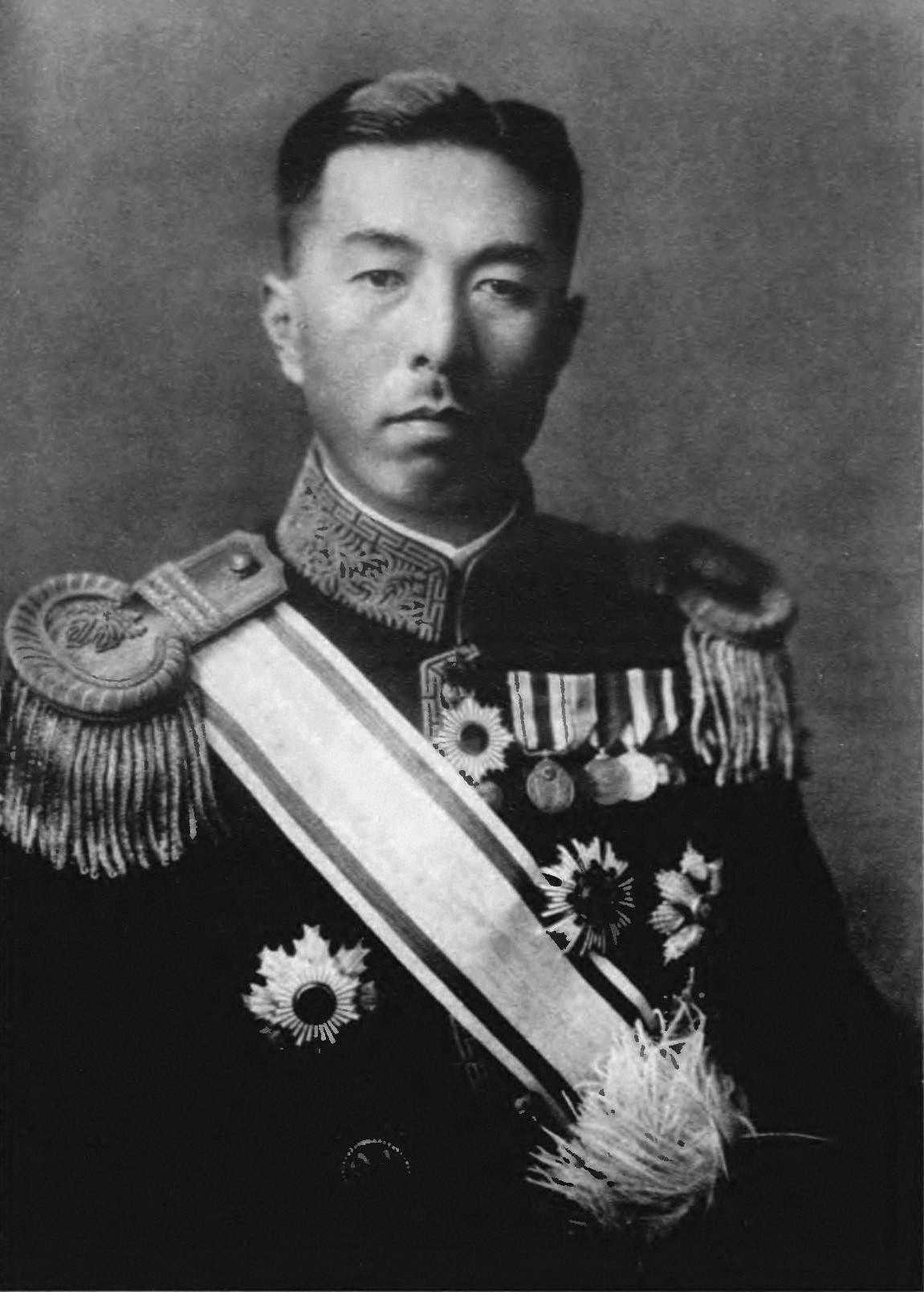
Prime Minister Prince Fumimaro Konoe was desperate to prevent war with America. Roosevelt routinely demanded removal of Japanese troops from China, which was an impossible agreement since the army and navy had suffered too much to give up conquests. On July 28, 1941, Japan commenced its occupation of French Indochina, and the United States retaliated by freezing Japanese assets and, more importantly, leading Britain and the Dutch East Indies in an oil embargo. Without foreign oil, Japan was stuck; within two years, the entirety of oil stockpiles would be depleted. The military had not anticipated such a rash move by the Americans, and Konoe made a last-ditch effort: a personal summit. He sent notice to Roosevelt that he would soon be arriving in Washington in hope FDR would meet him.
It was a diplomatic gamble, but Konoe's risk-taking paid off. The summit was rushed in preparation, and, on September 5, the Japanese Prime Minister was welcomed to the White House. The talks were primarily a standstill; Roosevelt made demands that Japan leave China and stop its military expansion to the south, something that Konoe could not do. While the meeting essentially gained nothing, Konoe did learn one important point: much of the American public did not want to engage in another “European” war, so the United States would never be the one to strike first.
Under the Tripartite Pact signed among Germany, Italy, and Japan in 1940, the three had agreed to join forces if an unnamed force (the United States) came into the war against them. While, militarily, an immediate strike against the small American Pacific fleet would be advantageous, it could prove costly in the long run. Konoe reported to the other Tripartite nations that the United States must never be assaulted. They could not risk a repeat of even the slightest negative PR move like the sinking of the Lusitania in the first World War.
With pressure from Hitler, the Japanese would begin their plans for war against the Soviet Union. They assured him that, without oil, they would be unable to put their armies into the field effectively. Defeat in 1939 at Khalkhin Gol also showed that Japanese ground forces were not adequate against Soviet heavy tanks, so they focused on devising a defensive war with long-reaching strikes by aircraft. However, as Operation Barbarossa became a logistical quagmire, it was obvious that Hitler had bitten off more than Germany could chew.
The Emperor did not want to be on the losing side of a war with the Soviet Union, but Konoe and his ministers could not break the Tripartite Pact. Instead, they bought time, assuring Hitler that their army would be ready for combat in the summer. On June 28, 1942, Japan launched attacks toward Soviet oil fields north of Manchuria simultaneous with Germany's operation Case Blue. Stalin let the east lose ground with only minor defensive measures, pressing most of his might into the defense of Moscow and the west. Even with two fronts, by the middle of 1943, Russia halted the tide of advance and began to push back.
Japan fell to maintaining position and working with its air force (arguably the best in the world after years of buildup) to spy on troop movements and pin down Russian reserves before they could reach the front. Germany's war with Britain had come to a standstill with Hitler giving up North Africa but holding the Mediterranean. The manpower and materiel did not seem available for an amphibious invasion of Europe until at least 1945 despite the fact that the Blitz had long passed. Instead, they fought Germany's navy while Stalin began to eat away at the back of Hitler's European fortress.
Finally, the end came for Germany with the British landing at Normandy under Operation Overlord in March of 1945. By that time, Stalin was pressing into Germany itself, and the Third Reich faced collapse. On August 14, 1945, the remainders of Hitler's government (Hitler himself had disappeared, presumed dead in his bunker via suicide) sued for peace. Stalin then joined with Britain in pressing toward the east where Japan had stood unquestioned for years. Seeing the vicious defeat of allies, Emperor Hirohito offered terms for peace, but Stalin would not accept anything less than what had been declared at Potsdam: disarmament, reduction of empire, and partial occupation.
Prime Minister Konoe, who had been in and out of power over the course of the war, approached American President Thomas Dewey for mediation. Dewey agreed, but Stalin and Prime Minister Clement Attlee did not agree to ceasefire until concessions had been made. While battles still roared in Siberia, Mongolia, China, and French Indochina, talks began. When the dust cleared, Japan would maintain Korea as a protectorate, but they would lose all other imperial gains and face limitations on armed forces.
The United States, now economically on its feet with its profitable Lend-Lease program, suddenly faced a world with vaporizing empires and Soviet dominance over almost all of Europe and Asia. Renewed military buildup began through the 1950s, and America found itself trailing distantly behind Russia in missile technology and space development. In 1962, Russia moved ICBMs to its ally Cuba and refused to recognize American requests that they be removed. The successful invasion at Playa Girón and subsequent seizing of those missiles began the Soviet-American War that would last until 1968 with Russian troops marching into Chicago, where the relocated American government had sat after the Bombing of Washington.
–
In reality, Konoe did not make the diplomatic faux pas of forcing discussion, and Roosevelt bought time with the promise of talks as long as possible to better prepare America's military base. The Japanese government realized war was inevitable, and it would fare better if it began sooner rather than later. On December 7, 1941, Japanese woke the slumbering giant with the bombing of Pearl Harbor.
Prime Minister Prince Fumimaro Konoe was desperate to prevent war with America. Roosevelt routinely demanded removal of Japanese troops from China, which was an impossible agreement since the army and navy had suffered too much to give up conquests. On July 28, 1941, Japan commenced its occupation of French Indochina, and the United States retaliated by freezing Japanese assets and, more importantly, leading Britain and the Dutch East Indies in an oil embargo. Without foreign oil, Japan was stuck; within two years, the entirety of oil stockpiles would be depleted. The military had not anticipated such a rash move by the Americans, and Konoe made a last-ditch effort: a personal summit. He sent notice to Roosevelt that he would soon be arriving in Washington in hope FDR would meet him.
It was a diplomatic gamble, but Konoe's risk-taking paid off. The summit was rushed in preparation, and, on September 5, the Japanese Prime Minister was welcomed to the White House. The talks were primarily a standstill; Roosevelt made demands that Japan leave China and stop its military expansion to the south, something that Konoe could not do. While the meeting essentially gained nothing, Konoe did learn one important point: much of the American public did not want to engage in another “European” war, so the United States would never be the one to strike first.
Under the Tripartite Pact signed among Germany, Italy, and Japan in 1940, the three had agreed to join forces if an unnamed force (the United States) came into the war against them. While, militarily, an immediate strike against the small American Pacific fleet would be advantageous, it could prove costly in the long run. Konoe reported to the other Tripartite nations that the United States must never be assaulted. They could not risk a repeat of even the slightest negative PR move like the sinking of the Lusitania in the first World War.
With pressure from Hitler, the Japanese would begin their plans for war against the Soviet Union. They assured him that, without oil, they would be unable to put their armies into the field effectively. Defeat in 1939 at Khalkhin Gol also showed that Japanese ground forces were not adequate against Soviet heavy tanks, so they focused on devising a defensive war with long-reaching strikes by aircraft. However, as Operation Barbarossa became a logistical quagmire, it was obvious that Hitler had bitten off more than Germany could chew.
The Emperor did not want to be on the losing side of a war with the Soviet Union, but Konoe and his ministers could not break the Tripartite Pact. Instead, they bought time, assuring Hitler that their army would be ready for combat in the summer. On June 28, 1942, Japan launched attacks toward Soviet oil fields north of Manchuria simultaneous with Germany's operation Case Blue. Stalin let the east lose ground with only minor defensive measures, pressing most of his might into the defense of Moscow and the west. Even with two fronts, by the middle of 1943, Russia halted the tide of advance and began to push back.
Japan fell to maintaining position and working with its air force (arguably the best in the world after years of buildup) to spy on troop movements and pin down Russian reserves before they could reach the front. Germany's war with Britain had come to a standstill with Hitler giving up North Africa but holding the Mediterranean. The manpower and materiel did not seem available for an amphibious invasion of Europe until at least 1945 despite the fact that the Blitz had long passed. Instead, they fought Germany's navy while Stalin began to eat away at the back of Hitler's European fortress.
Finally, the end came for Germany with the British landing at Normandy under Operation Overlord in March of 1945. By that time, Stalin was pressing into Germany itself, and the Third Reich faced collapse. On August 14, 1945, the remainders of Hitler's government (Hitler himself had disappeared, presumed dead in his bunker via suicide) sued for peace. Stalin then joined with Britain in pressing toward the east where Japan had stood unquestioned for years. Seeing the vicious defeat of allies, Emperor Hirohito offered terms for peace, but Stalin would not accept anything less than what had been declared at Potsdam: disarmament, reduction of empire, and partial occupation.
Prime Minister Konoe, who had been in and out of power over the course of the war, approached American President Thomas Dewey for mediation. Dewey agreed, but Stalin and Prime Minister Clement Attlee did not agree to ceasefire until concessions had been made. While battles still roared in Siberia, Mongolia, China, and French Indochina, talks began. When the dust cleared, Japan would maintain Korea as a protectorate, but they would lose all other imperial gains and face limitations on armed forces.
The United States, now economically on its feet with its profitable Lend-Lease program, suddenly faced a world with vaporizing empires and Soviet dominance over almost all of Europe and Asia. Renewed military buildup began through the 1950s, and America found itself trailing distantly behind Russia in missile technology and space development. In 1962, Russia moved ICBMs to its ally Cuba and refused to recognize American requests that they be removed. The successful invasion at Playa Girón and subsequent seizing of those missiles began the Soviet-American War that would last until 1968 with Russian troops marching into Chicago, where the relocated American government had sat after the Bombing of Washington.
–
In reality, Konoe did not make the diplomatic faux pas of forcing discussion, and Roosevelt bought time with the promise of talks as long as possible to better prepare America's military base. The Japanese government realized war was inevitable, and it would fare better if it began sooner rather than later. On December 7, 1941, Japanese woke the slumbering giant with the bombing of Pearl Harbor.
Labels:
alternate history,
japan,
konoe,
united states,
world war 2
Thursday, August 19, 2010
August 19, 1942 – Dieppe Raid Canceled
In the midst of the darkest times of the Second World War, Germany and its allies had conquered most of Europe, devastated much of Britain with the Blitz, invaded the Soviet Union, and dug in over most of North Africa. Stalin demanded the rest of the Allies open a new front with Germany, but Americans and Britons disagreed where. FDR wanted to move directly on Europe, while Churchill hoped to check the Axis expansion into Africa and then strike at the “soft underbelly of Europe.”
As an exercise in logistics as well as to prove that Europe was not as wholly invincible as the Axis wanted to believe, Operation Jubilee (earlier known as Operation Rutter) was designed as a combined Canadian and British raid on the French port city of Dieppe. They would seize the major port, though holding it permanently would be out of the question.
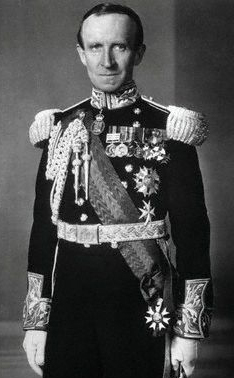
Two days before the launch, the Daily Telegraph published a crossword with the answer of the clue “French port (6)” as Dieppe. Suspicious, an investigation was launched under Lord Tweedsmuir and MI5. The report showed that the answer may have been a fluke, but Allied command decided not to risk the chance. Just after midnight, the mission was canceled, and the test of raiding had to be conducted elsewhere.
Churchill suggested moving forward with Operation Torch into North French Africa, but Stalin was furious at having to face Hitler's European armies alone. The cancellation at Dieppe made it seem as if the Allies were not even attempting to support the Soviet Union. Britain needed to strike somewhere to keep face, and finally the exiled King Haakon VII of Norway offered a suggestion. His country had been invaded by Germany two years before and gave fair resistance. With Norway's ports and airfields at Hitler's command, the Battle of the Atlantic continued as Nazi forces could penetrate the North Atlantic around British blockades. Churchill fell to agreement, and the raid was planned for the end of the month.
Using many of the resources already in place for Dieppe and adding much more, an Allied fleet of British, Canadians, and volunteer Americans left Scotland while battleships protected their flank from U-boats. The force landed at Trondheim in the middle of Norway, catching the German forces unawares. After a major struggle, the port was captured. German forces fell back to regroup for counterattack.
Just as Churchill prepared to pull back the assault with his point proven, word of the liberation had spread throughout the country. Rumors said that the raid was the establishment of a beachhead to march in forces for the overthrow of German invaders. The whole country erupted into rebellion, and the Germans were unable to conduct their counterattack. The Allies were left with an accidental foot in the door of Scandinavia.
At the urging of FDR and Stalin, Churchill opened up reserves of troops meant for Africa and poured them into Norway. With only a few real weeks left before winter set in, the Allies seized as much ground as they could. Hitler sent reinforcements wherever they could be spared from the Russian front, but continual assault from Norwegian sabotage and snipers slowed down the German counterattack. By November 1942, when the weather halted large military movements, Norway had been split with the north in the hands of the Allies.
During the winter, Operation Torch moved the main battles south to Africa, but Hitler was furious at the loss of gained ground in Europe. In spring of 1943, Africa fell due to lack reinforcements, all of which Hitler had reassigned to retake Norway. German forces departed from Denmark and began to raze the countryside as nearly continual fighting pressed the defending Allies back. Resources were stretched thin as the Allies pressed with Operation Husky to take Sicily, which succeeded on August 17. Italy fell apart, and Hitler had to shift soldiers to control what of Italy remained, ending the major assaults in Norway. Patton was reassigned to Norway, and the Americans pushed down the peninsula long after the rational fighting season had ended.
In spring of 1944, Operation Checkmate began with the amphibious invasion of Denmark. Smaller raids kept German forces occupied in Italy, Finland, Poland, Vichy, and Normandy in northern France, but the brunt of the attack was focused on piercing Germany. Supported by superior air power from Norwegian airbases, Allies were able to leave behind many of the Nazi satellite countries and strike straight for Berlin. Seeing that the end of the war was coming soon, Germans rebelled against an increasingly frantic Hitler. Upon the overthrow and execution of Hitler on October 12, 1944, the war with Germany was finished. Through the course of the next months, the puppet governments around Europe fell while bloody anarchy reigned over most of the continent.
At the Treaty of Yalta in 1945, Europe was broken up among the Allies for occupation and reconstruction. The Soviet Union became responsible for Eastern Europe, while Britain and America handled most of the West. North and South France were broken into occupied zones until being eventually reunited in 1955. Scholars understand that the real winners of the war was America, as the USA captured nearly all of the German scientists promoted by the Nazi government. Taking something of a generational leap ahead in development over the rest of the world, along with singly controlling atomic bomb technology until successful Soviet tests in 1954, America became the undisputed world leader for the rest of the twentieth century.
–
In reality, the crossword puzzle was found, to quote Lord Tweedsmuir, to be “just a remarkable coincidence.” Other double agents, however, had notified German authorities about the raid, and Dieppe as well as other ports were on high alert. The attack began at 5 AM, and within six hours the order to retreat had been given. Thousands of Allied troops, primarily Canadians, were killed, wounded, or captured. The experience would teach many lessons about amphibious landings that would be put into use in North Africa and Normandy through the rest of the war.
As an exercise in logistics as well as to prove that Europe was not as wholly invincible as the Axis wanted to believe, Operation Jubilee (earlier known as Operation Rutter) was designed as a combined Canadian and British raid on the French port city of Dieppe. They would seize the major port, though holding it permanently would be out of the question.
Two days before the launch, the Daily Telegraph published a crossword with the answer of the clue “French port (6)” as Dieppe. Suspicious, an investigation was launched under Lord Tweedsmuir and MI5. The report showed that the answer may have been a fluke, but Allied command decided not to risk the chance. Just after midnight, the mission was canceled, and the test of raiding had to be conducted elsewhere.
Churchill suggested moving forward with Operation Torch into North French Africa, but Stalin was furious at having to face Hitler's European armies alone. The cancellation at Dieppe made it seem as if the Allies were not even attempting to support the Soviet Union. Britain needed to strike somewhere to keep face, and finally the exiled King Haakon VII of Norway offered a suggestion. His country had been invaded by Germany two years before and gave fair resistance. With Norway's ports and airfields at Hitler's command, the Battle of the Atlantic continued as Nazi forces could penetrate the North Atlantic around British blockades. Churchill fell to agreement, and the raid was planned for the end of the month.
Using many of the resources already in place for Dieppe and adding much more, an Allied fleet of British, Canadians, and volunteer Americans left Scotland while battleships protected their flank from U-boats. The force landed at Trondheim in the middle of Norway, catching the German forces unawares. After a major struggle, the port was captured. German forces fell back to regroup for counterattack.
Just as Churchill prepared to pull back the assault with his point proven, word of the liberation had spread throughout the country. Rumors said that the raid was the establishment of a beachhead to march in forces for the overthrow of German invaders. The whole country erupted into rebellion, and the Germans were unable to conduct their counterattack. The Allies were left with an accidental foot in the door of Scandinavia.
At the urging of FDR and Stalin, Churchill opened up reserves of troops meant for Africa and poured them into Norway. With only a few real weeks left before winter set in, the Allies seized as much ground as they could. Hitler sent reinforcements wherever they could be spared from the Russian front, but continual assault from Norwegian sabotage and snipers slowed down the German counterattack. By November 1942, when the weather halted large military movements, Norway had been split with the north in the hands of the Allies.
During the winter, Operation Torch moved the main battles south to Africa, but Hitler was furious at the loss of gained ground in Europe. In spring of 1943, Africa fell due to lack reinforcements, all of which Hitler had reassigned to retake Norway. German forces departed from Denmark and began to raze the countryside as nearly continual fighting pressed the defending Allies back. Resources were stretched thin as the Allies pressed with Operation Husky to take Sicily, which succeeded on August 17. Italy fell apart, and Hitler had to shift soldiers to control what of Italy remained, ending the major assaults in Norway. Patton was reassigned to Norway, and the Americans pushed down the peninsula long after the rational fighting season had ended.
In spring of 1944, Operation Checkmate began with the amphibious invasion of Denmark. Smaller raids kept German forces occupied in Italy, Finland, Poland, Vichy, and Normandy in northern France, but the brunt of the attack was focused on piercing Germany. Supported by superior air power from Norwegian airbases, Allies were able to leave behind many of the Nazi satellite countries and strike straight for Berlin. Seeing that the end of the war was coming soon, Germans rebelled against an increasingly frantic Hitler. Upon the overthrow and execution of Hitler on October 12, 1944, the war with Germany was finished. Through the course of the next months, the puppet governments around Europe fell while bloody anarchy reigned over most of the continent.
At the Treaty of Yalta in 1945, Europe was broken up among the Allies for occupation and reconstruction. The Soviet Union became responsible for Eastern Europe, while Britain and America handled most of the West. North and South France were broken into occupied zones until being eventually reunited in 1955. Scholars understand that the real winners of the war was America, as the USA captured nearly all of the German scientists promoted by the Nazi government. Taking something of a generational leap ahead in development over the rest of the world, along with singly controlling atomic bomb technology until successful Soviet tests in 1954, America became the undisputed world leader for the rest of the twentieth century.
–
In reality, the crossword puzzle was found, to quote Lord Tweedsmuir, to be “just a remarkable coincidence.” Other double agents, however, had notified German authorities about the raid, and Dieppe as well as other ports were on high alert. The attack began at 5 AM, and within six hours the order to retreat had been given. Thousands of Allied troops, primarily Canadians, were killed, wounded, or captured. The experience would teach many lessons about amphibious landings that would be put into use in North Africa and Normandy through the rest of the war.
Labels:
alternate history,
dieppe,
norway,
world war 2
Sunday, July 25, 2010
July 25, 1940 – Guisan Insults Hitler
As war raged in Europe all around them, Switzerland began to prepare for an expected Nazi invasion. In 1939, the Federal Assembly called for an election of a General, a rank that had been granted to only three men before. Henri Guisan was named to defend the country, a monumental task for some 430,000 troops against the untold millions of Germans and Italians. The odds only became worse as France fell in June of 1940, and the puppets of the Vichy government were set up to aid the Axis powers.
Guisan set about preparing his “Reduit” defense with Operationsbefehl Nr. 10. In the case of invasion, the soldiers would fall back to the Alps and conduct guerrilla combat and paramilitary resistance measures. On July 25, he addressed the Swiss Officer Corps in a speech bolstering the Swiss national spirit despite being surrounded on all sides. He mandated that surrender was impossible, and if the army ran out of bullets, they would resort to bayonets. Finally, he slipped an insult upon Hitler's character, saying the cowardly Fuhrer should never and would never test the Swiss.
Upon hearing word of the speech, Hitler's famous temper exploded. He ordered the immediate invasion of Switzerland under Operation Tannenbaum (a battle plan developed the day France fell). While continuing the Battle of Britain, Nazi armies marched into the Alps with the speed of the Blitz into the north of Switzerland. They tried a feint of infantry into the Jura region in an attempt to draw out the Swiss, but the defenders did not budge. Instead, they used small artillery to slow German attack. Without a straight fight, the Germans simply rolled into the cities and declared anschluss as they had in Austria. Vichy France and Italy would follow suit as per their alliances, divvying up the nation along its language-borders of German, French, and Italian.
The Swiss would prove an incurable pain in the sides of the Axis. Bombings, ambushes, and assassinations would take place nearly continuously. While some of the Swiss would give to Nazi dependency, the majority of the nation would remain secretly (or publicly, in the mountains) at war. The French would lose much of their mobile army in an attempt to quell their region around Lake Geneva; Italy suffered enormous economic setbacks as Swiss destroyed shipment capabilities for their coal supply, virtually shutting down Italian industry; and Germany would dedicate hundreds of thousands of troops in attempts to pacify the Alps.
Despite the hangups in Switzerland and the failure of the Battle of Britain, Hitler continued his conquest of Europe with Operation Barbarossa invading the Soviet Union. While the Germans made great gains in 1941, the lack of available troops would cause the tide of war to turn against them. The Soviets would begin a counter-invasion, which would in turn speed the Allies' amphibious invasion of France in 1942 with Operation Sledgehammer. When Hitler was defeated in early 1944, Soviet domination of Eastern Europe would even include north of Switzerland as “occupation.”
Guisan refused to allow another invader to seize Swiss territory. The insurgency continued, and Stalin continually argued with Churchill and FDR, who demanded the pullout of Russians in Switzerland. Stalin did not blink, and war erupted as the Allies began to push Soviet troops eastward. Devastation again flowed over Europe, but the Swiss were soon liberated by British and American troops. Allies invited Swiss troops to continue, but Guisan and his soldiers refused. Their war was done, and they returned to rebuild their country and continue their tradition of independence on every level.
Meanwhile, the Soviet War would continue until 1946, when American A-bombs would destroy whatever was left of the Soviet infrastructure. Stalin would surrender, and Communism would fall.
–
In reality, Guisan did not bait Hitler with insult. His greatest scheme of defense was deterrence, showing that Switzerland would not be worth the devastation on his armies, and assuring Germany that the Swiss would not be a threat. Hitler would never invade Switzerland, sparing the Swiss of the carnage of the war, which would be seen so gravely on the Eastern Front.
Guisan set about preparing his “Reduit” defense with Operationsbefehl Nr. 10. In the case of invasion, the soldiers would fall back to the Alps and conduct guerrilla combat and paramilitary resistance measures. On July 25, he addressed the Swiss Officer Corps in a speech bolstering the Swiss national spirit despite being surrounded on all sides. He mandated that surrender was impossible, and if the army ran out of bullets, they would resort to bayonets. Finally, he slipped an insult upon Hitler's character, saying the cowardly Fuhrer should never and would never test the Swiss.
Upon hearing word of the speech, Hitler's famous temper exploded. He ordered the immediate invasion of Switzerland under Operation Tannenbaum (a battle plan developed the day France fell). While continuing the Battle of Britain, Nazi armies marched into the Alps with the speed of the Blitz into the north of Switzerland. They tried a feint of infantry into the Jura region in an attempt to draw out the Swiss, but the defenders did not budge. Instead, they used small artillery to slow German attack. Without a straight fight, the Germans simply rolled into the cities and declared anschluss as they had in Austria. Vichy France and Italy would follow suit as per their alliances, divvying up the nation along its language-borders of German, French, and Italian.
The Swiss would prove an incurable pain in the sides of the Axis. Bombings, ambushes, and assassinations would take place nearly continuously. While some of the Swiss would give to Nazi dependency, the majority of the nation would remain secretly (or publicly, in the mountains) at war. The French would lose much of their mobile army in an attempt to quell their region around Lake Geneva; Italy suffered enormous economic setbacks as Swiss destroyed shipment capabilities for their coal supply, virtually shutting down Italian industry; and Germany would dedicate hundreds of thousands of troops in attempts to pacify the Alps.
Despite the hangups in Switzerland and the failure of the Battle of Britain, Hitler continued his conquest of Europe with Operation Barbarossa invading the Soviet Union. While the Germans made great gains in 1941, the lack of available troops would cause the tide of war to turn against them. The Soviets would begin a counter-invasion, which would in turn speed the Allies' amphibious invasion of France in 1942 with Operation Sledgehammer. When Hitler was defeated in early 1944, Soviet domination of Eastern Europe would even include north of Switzerland as “occupation.”
Guisan refused to allow another invader to seize Swiss territory. The insurgency continued, and Stalin continually argued with Churchill and FDR, who demanded the pullout of Russians in Switzerland. Stalin did not blink, and war erupted as the Allies began to push Soviet troops eastward. Devastation again flowed over Europe, but the Swiss were soon liberated by British and American troops. Allies invited Swiss troops to continue, but Guisan and his soldiers refused. Their war was done, and they returned to rebuild their country and continue their tradition of independence on every level.
Meanwhile, the Soviet War would continue until 1946, when American A-bombs would destroy whatever was left of the Soviet infrastructure. Stalin would surrender, and Communism would fall.
–
In reality, Guisan did not bait Hitler with insult. His greatest scheme of defense was deterrence, showing that Switzerland would not be worth the devastation on his armies, and assuring Germany that the Swiss would not be a threat. Hitler would never invade Switzerland, sparing the Swiss of the carnage of the war, which would be seen so gravely on the Eastern Front.
Labels:
alternate history,
hitler,
invade,
switzerland,
world war 2
Subscribe to:
Posts (Atom)