From April 9, 2011, the folks from OKC Improv tackle alternate history featuring Ancient Egyptian newspapers, The Toby Keith-Oprah Wars, and Sam Walton's spirit journey through Portugal to create Wal-mart and its subsequent domination of the world.
Check it out!
Tuesday, July 26, 2011

Saturday, July 2, 2011
1863 - Lee Falls at Gettysburg
Union General Robert E. Lee would face his darkest hour as his armies were broken up during an assault against the invading Confederate forces of General James Longstreet. By 1863, the Civil War had dragged on through three of its six Aprils, and times were difficult for the Union. Draft riots sent New York City up in flames, the presidency of Abraham Lincoln came under question, and the South intended to follow up victories in Virginia by an invasion of Northern territory, hopefully impressing foreign powers to recognize the Confederacy.
Times were also difficult for Robert E. Lee. A native Virginian, he had very nearly seceded along with his state, but a personal intervention by retiring General Winfield Scott convinced him that his duty was to the United States government. He was branded a traitor by many in the South, who quickly seized his wife's property at Arlington, looting furniture that had once belonged to George Washington, inherited through Lee's wife Mary Custis, great-granddaughter of Martha Washington. In the North, many suspected the accented general as a potential conspirator. Further questions were raised as Lee's campaigns in the East were slow, though knowledgeable officials recognized that he spent much of the early war assembling key supply lines and training a terribly green Union army.
The invasion of Maryland and Pennsylvania came as a surprise to many, but Lee seemed almost ready for the expedition, quickly maneuvering his armies to force a battle near the town of Gettysburg, PA. Here, however, his plans failed. He had long studied the effectiveness of an artillery bombardment followed by an infantry charge as used by Garibaldi in the wars of Italian unification, but his emulation in Pennsylvania would suffer problems of wet powder, crosswinds, and unshakable dug-in positions. When his army broke, Lee was reported to have rode among them and said, "I've lost this battle, not you."
Longstreet finished his plans of rooting his army at the rail center in Harrisburg, effectively cutting off Maryland and, more importantly, Washington, D.C. Despite the victory, it would be quickly overwhelmed by a reformed Union army under General Meade. Lee was shifted into a support position, where he would ride out the rest of the war, while command shifted to the new celebrity of Ulysses Grant, whose simultaneous conquest of Vicksburg, MS, would herald the beginning of the end of the war in the West.
After the war, Lee would be a component for reconciliation with the South, accepting a lecturing position at Washington College, now known as Washington University, in Lexington, VA.
Times were also difficult for Robert E. Lee. A native Virginian, he had very nearly seceded along with his state, but a personal intervention by retiring General Winfield Scott convinced him that his duty was to the United States government. He was branded a traitor by many in the South, who quickly seized his wife's property at Arlington, looting furniture that had once belonged to George Washington, inherited through Lee's wife Mary Custis, great-granddaughter of Martha Washington. In the North, many suspected the accented general as a potential conspirator. Further questions were raised as Lee's campaigns in the East were slow, though knowledgeable officials recognized that he spent much of the early war assembling key supply lines and training a terribly green Union army.
The invasion of Maryland and Pennsylvania came as a surprise to many, but Lee seemed almost ready for the expedition, quickly maneuvering his armies to force a battle near the town of Gettysburg, PA. Here, however, his plans failed. He had long studied the effectiveness of an artillery bombardment followed by an infantry charge as used by Garibaldi in the wars of Italian unification, but his emulation in Pennsylvania would suffer problems of wet powder, crosswinds, and unshakable dug-in positions. When his army broke, Lee was reported to have rode among them and said, "I've lost this battle, not you."
Longstreet finished his plans of rooting his army at the rail center in Harrisburg, effectively cutting off Maryland and, more importantly, Washington, D.C. Despite the victory, it would be quickly overwhelmed by a reformed Union army under General Meade. Lee was shifted into a support position, where he would ride out the rest of the war, while command shifted to the new celebrity of Ulysses Grant, whose simultaneous conquest of Vicksburg, MS, would herald the beginning of the end of the war in the West.
After the war, Lee would be a component for reconciliation with the South, accepting a lecturing position at Washington College, now known as Washington University, in Lexington, VA.
Thursday, June 30, 2011
June 30, 1908 – Tunguska Impact Alters the World
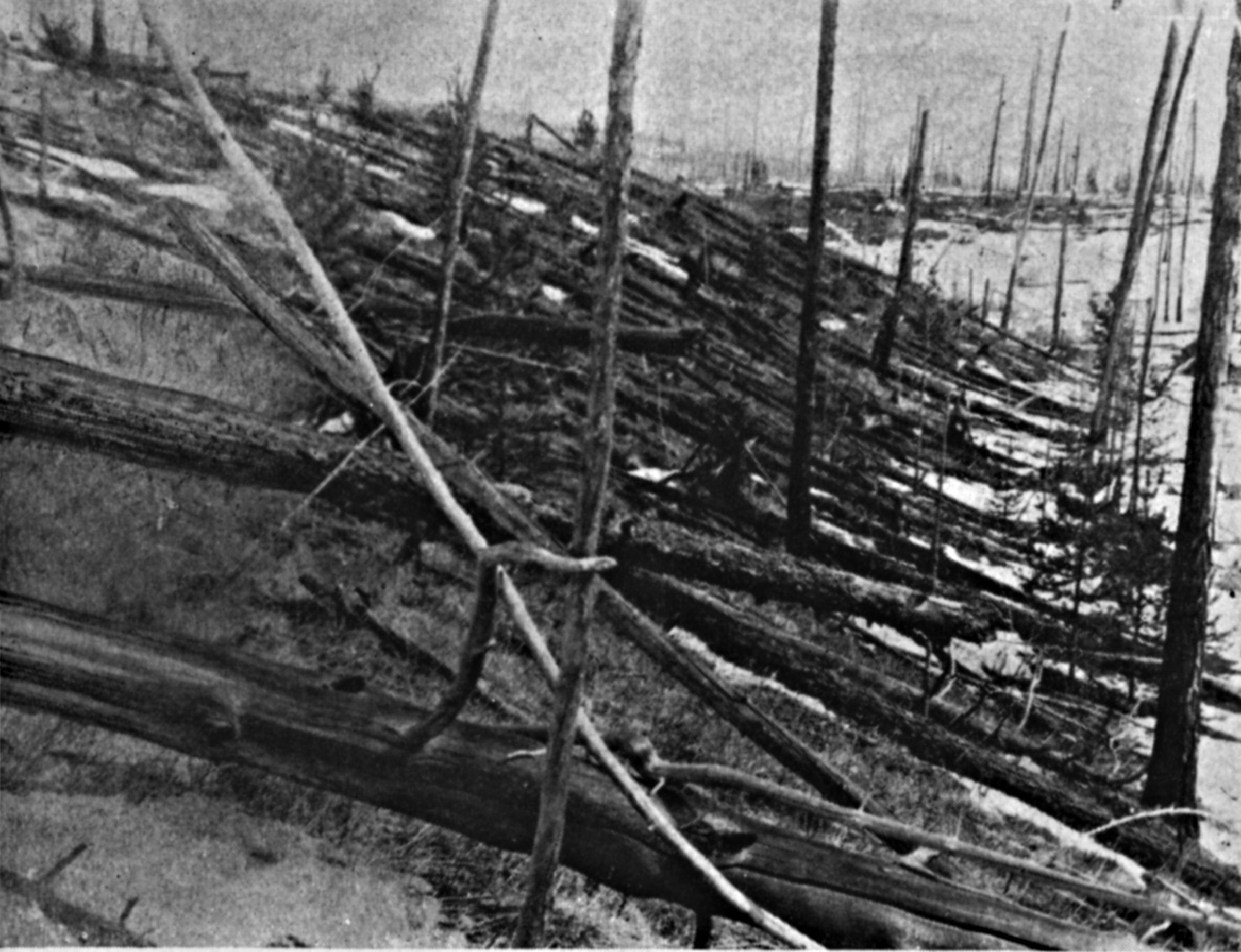
In an event unable to be understood at the time, a pinpoint black hole struck the Earth near the Stony Tunguska River in Siberia, Russia. The impact itself was significant with a shockwave estimated at 5.0 on the Richter scale that knocked trees flat in an 800 square mile spread, blew people off their feet, and destroyed windows for hundreds of miles. The aftershock, however, was far more important. As the black hole bore through the Earth, it shed the event-horizon shell of cosmic matter and evaporated with the energy from friction and pressure of the Earth's core. The shockwaves continued through the molten core and mantle like an isolated earthquake, meeting on the opposite side of the world near the Strait of Magellan. There, the edge of the Antarctic Plate buckled with the South American Plate, causing a massive upheaval that would turn the Drake Passage into an enormous mountain range connecting the Andes and the Antarctic Peninsula.
 Newspapers and scientists would consider the event purely tectonic until the Leonid Kulik expedition in 1921 determined the mysterious explosion happened only hours before the upheaval. His mineralogy team excavated radioactive material not uncommon to Siberia that would later be tested again in 2007 and found to coincide with isotopes from space such as cesium as well as heavy polonium and magnetic nickel.
At the time, however, the world's attention was turned to the new landmass that had suddenly cut off the Atlantic and Pacific Oceans (what would later be termed as the “exit wound” of the black hole, though it was really only backlash from the collision). As ocean currents adjusted, climatological alterations began such as the increase of rainforest to the south of the Amazon and the widening of the Kalahari Desert. Sea life suffered greatly as migration routes were cut off, causing the extinction of several whale species, already over-hunted. Most notable to the time was that the most-used passage to the Pacific had been cut off. Since its discovery by Balboa, the Pacific had struck Europe as a new, calmer ocean for exploration and colonization. The Pacific had been especially instrumental to the Americans, who used it as the main route connecting them to the quickly populated West Coast even after the construction of the Transcontinental Railroad. A faster route was currently under construction through a canal in Panama, but at the time of the Upheaval, it was still years from completion. The long-sought Northwest Passage had only recently been completed by Roald Amundsen from 1903 to 1906 and could be crossed only at the warmest points of summer by reinforced icebreaker ships.
Effectively, the Pacific had become cut off from the East. Shipping could still flow through the Indian Ocean, but the journey from New York to San Francisco by steamer had increased from weeks to months. Calling the times “desperate,” US President Theodore Roosevelt began his campaign for his unprecedented third term and vowed not to leave office until his canal was completed (which occurred years before schedule in 1911). The rest of the world looked with shock and envy at America controlling the only access to the eastern Pacific, and soon multiple European-backed companies began plans to dig canals through Honduras, Costa Rica, and, especially, Nicaragua. Only the Nicaraguan Canal would see completion in 1923, after changing hands twice.
Other plans, however, determined that overland routes would be suitable. On February 12, 1908, the New York to Paris Race began, traveling by motor car and partially by steamer west from Times Square to the French capital. A month after the Upheaval, the American team arrived victorious in their Thompson Flyer. Savvy newspapermen used the event as an example of the efficiency of overland travel. The Germans (whose team arrived second), took notice of the feat and began work with the ABC Powers (Argentina, Brazil, and Chile) to complete a rail and motorway that would bring goods from Buenos Aires to Santiago. German imperial attention turned to South America, bringing commerce and tourism, so much so that commentators doubted the Kaiser had even noticed the short-lived Austrian occupation of Serbia.
Gradually, the world would become accustomed to its new scar of what came to be known as the Drake Mountains, but the idea that an object from space could bring such devastation to a planet continues to unnerve the human spirit.
–
In reality, the mysterious Tunguska blast was most likely an air burst of a meteoroid. It produced an explosion that would not be rivaled by man until atomic weapon tests of the 1950s. Other hypotheses about the explosion have labeled it the activity of antimatter, aliens, Nikola Tesla, or, famously in 1973, University of Texas physicists Albert Jackson and Michael Ryan suggesting the idea of a small black hole (though it would not have left the telltale minerals found in later expeditions).
--
More info on Tunguska at Matt's Today in History blog. http://mattstodayinhistory.blogspot.com/2011/06/tunguska-event-june-30-1908.html
At the time, however, the world's attention was turned to the new landmass that had suddenly cut off the Atlantic and Pacific Oceans (what would later be termed as the “exit wound” of the black hole, though it was really only backlash from the collision). As ocean currents adjusted, climatological alterations began such as the increase of rainforest to the south of the Amazon and the widening of the Kalahari Desert. Sea life suffered greatly as migration routes were cut off, causing the extinction of several whale species, already over-hunted. Most notable to the time was that the most-used passage to the Pacific had been cut off. Since its discovery by Balboa, the Pacific had struck Europe as a new, calmer ocean for exploration and colonization. The Pacific had been especially instrumental to the Americans, who used it as the main route connecting them to the quickly populated West Coast even after the construction of the Transcontinental Railroad. A faster route was currently under construction through a canal in Panama, but at the time of the Upheaval, it was still years from completion. The long-sought Northwest Passage had only recently been completed by Roald Amundsen from 1903 to 1906 and could be crossed only at the warmest points of summer by reinforced icebreaker ships.
Effectively, the Pacific had become cut off from the East. Shipping could still flow through the Indian Ocean, but the journey from New York to San Francisco by steamer had increased from weeks to months. Calling the times “desperate,” US President Theodore Roosevelt began his campaign for his unprecedented third term and vowed not to leave office until his canal was completed (which occurred years before schedule in 1911). The rest of the world looked with shock and envy at America controlling the only access to the eastern Pacific, and soon multiple European-backed companies began plans to dig canals through Honduras, Costa Rica, and, especially, Nicaragua. Only the Nicaraguan Canal would see completion in 1923, after changing hands twice.
Other plans, however, determined that overland routes would be suitable. On February 12, 1908, the New York to Paris Race began, traveling by motor car and partially by steamer west from Times Square to the French capital. A month after the Upheaval, the American team arrived victorious in their Thompson Flyer. Savvy newspapermen used the event as an example of the efficiency of overland travel. The Germans (whose team arrived second), took notice of the feat and began work with the ABC Powers (Argentina, Brazil, and Chile) to complete a rail and motorway that would bring goods from Buenos Aires to Santiago. German imperial attention turned to South America, bringing commerce and tourism, so much so that commentators doubted the Kaiser had even noticed the short-lived Austrian occupation of Serbia.
Gradually, the world would become accustomed to its new scar of what came to be known as the Drake Mountains, but the idea that an object from space could bring such devastation to a planet continues to unnerve the human spirit.
–
In reality, the mysterious Tunguska blast was most likely an air burst of a meteoroid. It produced an explosion that would not be rivaled by man until atomic weapon tests of the 1950s. Other hypotheses about the explosion have labeled it the activity of antimatter, aliens, Nikola Tesla, or, famously in 1973, University of Texas physicists Albert Jackson and Michael Ryan suggesting the idea of a small black hole (though it would not have left the telltale minerals found in later expeditions).
--
More info on Tunguska at Matt's Today in History blog. http://mattstodayinhistory.blogspot.com/2011/06/tunguska-event-june-30-1908.html
Friday, June 24, 2011
June 24, 1812 – Napoleon Reorganizes his Grande Armée
On the night before his army number more than half a million men crossed the Neman River in the Second Polish War, Napoleon suddenly came down with wind and cramps from his chicken marengo that kept him from sleeping. While battling his discomfort, he read from one of his favorite classics, The Art of War by the Chinese ancient Sun Tzu. He paused between bouts of painful attacks and contemplated the army he had camped around him. Rather than Sun Tzu's model force of fast, elite troops, Napoleon had assembled the largest army known to man. He had hoped the army would strike fear into Czar Alexander and his generals, forcing them to bend to his will, but the “Little General” in him at last decided victories could not be won with simple weight. After all, many of the battles he had won to bring him here had been against much larger armies.
 In the morning, Napoleon ordered the movement of his troops across the river as was planned, but he himself worked with his secretaries and generals in whittling down the necessary army. Of his 554,000 men (300,000 of whom were French and Dutch, 100,000 Lithuanians and Poles, and the rest a mishmash from around Europe), he determined a main fighting force of about 200,000. The other troops suddenly seemed unnecessary, but Napoleon refused to let a man go to waste. He put the local Poles and Lithuanians as well as some Croats and Austrians into skirmishing parties while the rest he dedicated to building a massive supply line capable of supporting his army, though he had always planned to live off the land as Sun Tzu recommended.
Napoleon's new army moved with incredible speed across the Russian Empire despite its poor roads. The Russian army under Field Marshall Michael Andreas Barclay de Tolly initially attempted to stop the smaller French force but was defeated. The Field Marshall kept his army from being crushed and fell back to a strategy of scorched earth, but the system of retreat did not stop Napoleon. When the French took St. Petersburg, the Czar and his court was forced to flee, and the disgraced de Tolly was replaced by Prince Mikhail Kutuzov. Napoleon moved toward Moscow, but Kutuzov met him with the bulk of the Russian forces at Borodino. There, in the largest single-day fight of the Napoleonic Wars, more than 250,000 men and 1,2000 cannon fought allout. Napoleon won a close victory, and the Russian army returned to retreat.
Victory at Borodino might have been a Pyrrhic one but for Napoleon's well built supply lines. The forty thousand casualties of the Russians could be replaced, and, though it would require longer to return to maximum strength, so could Napoleon's losses of 30,000. The march to Moscow continued. City governor Count Fyodor Rostopchin suggested that the city be set to torch, but Czar Alexander capitulated rather than seeing another capital fall violently. He met with Napoleon the Poklonnaya Hill and surrendered while Napoleon granted him continued control of the Russian Empire, sans the numerous lands such as Poland and the Ukraine that would be granted their freedom (at least, freedom from Russia, as they would be granted governments friendly to Napoleon's Continental System).
Napoleon spent the next years solidifying his command in Europe, putting down Cossack uprisings, quelling Spain, and pacifying the English, whose economy continued to crumble while rebels stirred from the French-backed Irish. He later turned back to expansion, taking Constantinople and conquering the Ottoman Empire. This sparked another war with England in which Napoleon would take the Mediterranean (and, most importantly, Egypt) and incite India to rebellion. Napoleon would die of stomach cancer shortly after Britain's surrender of Egypt in 1823, and his son Napoleon II would prove unable to carry on his father's work.
The French Empire would crumble, but the impact of Napoleonic conquest would be felt for centuries. In what had been efficiency, Napoleon had organized people-groups into states, leading to senses of Nationalism and the unifications of Germany and Italy. Smaller groups such as Serbs, Lithuanians, Poles, Basque, and so on, received new levels of self-government. Most notably, Napoleon would free the serfs of Russia, organizing them and creating a new environment of independence that would make the Russian kingdom a leader in the Second Industrial Revolution and a model of capitalism and progress through the twentieth century.
–
In reality, Napoleon kept his enormous army, which became bogged down with an indecisive flanking battle at Polotsk that stopped him from his march on St. Petersburg. He moved on Moscow, which he took, but found the city in flames. Surrounded by scorched earth and Russian skirmishers and drained of supplies because of his unintentionally long marches, Napoleon turned back to France, leaving much of his Grande Armée to fend for itself. Roughly 400,000 troops would die or become captured, leaving less than a quarter surviving to return to Paris. The loss would cripple his empire and lead to his first downfall in 1814.
_Ernest_Meissonier.jpg)
Napoleon's new army moved with incredible speed across the Russian Empire despite its poor roads. The Russian army under Field Marshall Michael Andreas Barclay de Tolly initially attempted to stop the smaller French force but was defeated. The Field Marshall kept his army from being crushed and fell back to a strategy of scorched earth, but the system of retreat did not stop Napoleon. When the French took St. Petersburg, the Czar and his court was forced to flee, and the disgraced de Tolly was replaced by Prince Mikhail Kutuzov. Napoleon moved toward Moscow, but Kutuzov met him with the bulk of the Russian forces at Borodino. There, in the largest single-day fight of the Napoleonic Wars, more than 250,000 men and 1,2000 cannon fought allout. Napoleon won a close victory, and the Russian army returned to retreat.
Victory at Borodino might have been a Pyrrhic one but for Napoleon's well built supply lines. The forty thousand casualties of the Russians could be replaced, and, though it would require longer to return to maximum strength, so could Napoleon's losses of 30,000. The march to Moscow continued. City governor Count Fyodor Rostopchin suggested that the city be set to torch, but Czar Alexander capitulated rather than seeing another capital fall violently. He met with Napoleon the Poklonnaya Hill and surrendered while Napoleon granted him continued control of the Russian Empire, sans the numerous lands such as Poland and the Ukraine that would be granted their freedom (at least, freedom from Russia, as they would be granted governments friendly to Napoleon's Continental System).
Napoleon spent the next years solidifying his command in Europe, putting down Cossack uprisings, quelling Spain, and pacifying the English, whose economy continued to crumble while rebels stirred from the French-backed Irish. He later turned back to expansion, taking Constantinople and conquering the Ottoman Empire. This sparked another war with England in which Napoleon would take the Mediterranean (and, most importantly, Egypt) and incite India to rebellion. Napoleon would die of stomach cancer shortly after Britain's surrender of Egypt in 1823, and his son Napoleon II would prove unable to carry on his father's work.
The French Empire would crumble, but the impact of Napoleonic conquest would be felt for centuries. In what had been efficiency, Napoleon had organized people-groups into states, leading to senses of Nationalism and the unifications of Germany and Italy. Smaller groups such as Serbs, Lithuanians, Poles, Basque, and so on, received new levels of self-government. Most notably, Napoleon would free the serfs of Russia, organizing them and creating a new environment of independence that would make the Russian kingdom a leader in the Second Industrial Revolution and a model of capitalism and progress through the twentieth century.
–
In reality, Napoleon kept his enormous army, which became bogged down with an indecisive flanking battle at Polotsk that stopped him from his march on St. Petersburg. He moved on Moscow, which he took, but found the city in flames. Surrounded by scorched earth and Russian skirmishers and drained of supplies because of his unintentionally long marches, Napoleon turned back to France, leaving much of his Grande Armée to fend for itself. Roughly 400,000 troops would die or become captured, leaving less than a quarter surviving to return to Paris. The loss would cripple his empire and lead to his first downfall in 1814.
Wednesday, June 22, 2011
June 22, 1941 – Hitler Calls off Invasion of Soviet Union
Upon the receipt of confirmed espionage of the military preparedness of the Soviet Union, German Fuhrer Adolf Hitler gave the last-minute order scrubbing his intended invasion. Knowledge of Stalin's military buildup was well known, but the exact numbers were suddenly daunting. As seen by Hitler then and later calculated upon declassified documents by state historian Mikhail Meltyukhov in his work, Stalin's Gift, Russians outnumbered the Germans and their allies 1.4-to-1 in infantry and artillery, 2.6-to-1 in aircraft, and stunningly more than 3.8-to-1 in tanks. Hitler had surprise on his side as Stalin, despite the advice of several spies who had given him the exact date of invasion, believed Hitler would hold longer than two years to the Molotov-Ribbentrop Pact and wait until he finished war with Britain. Hitler had already postponed the intended Operation Barbarossa several weeks from its initial deadline in May due to logistical problems, and now he knew certainly he was too late.
 Germany and the Soviet Union seemed doomed to fight each other, however. Stalin addressed military academy graduates with, “War with Germany is inevitable,” just weeks before the intended invasion. Both nations were diametrically opposed with policies in Hitler's fascism and Stalin's communism. Both were hopeful for expansion as Hitler called for “elbow room” and Stalin worked to rebuild the Russian Empire, such as dominating Finland in the 1939-40 Winter War. Because Stalin understood Hitler's need for oil to fuel his power would bring him to Baku, the Soviet leader began programs to expand the Russian military by leaps. From '39 to '41, he more than doubled the size of the army and especially built aircraft, which increased from 7,700 to 18,700.
As Hitler and his staff reviewed the numbers, he knew that Germany would be unable to maintain the blitzkrieg he had used successfully against Poland and France without control of the air and against numerically superior tanks, with Russian heavy tanks even arguably superior to Panzers one-on-one. Finally Hitler realized that the Russians were simply too powerful by weight and determined that he would need new kinds of weapons to fight, redoubling his already heavy investment in research and development for rockets, atomic bombs, and more. He let continue the lie that his massing troops on the border with the Soviet Union was keeping them away from attacks by Britain and eventually recalled them for Operation Sea Lion, which had been postponed indefinitely since September, 1940.
Japanese attack on Pearl Harbor brought Britain's near-ally America into the war fully that December. With American resources turned toward the Pacific, Hitler's invasion of Britain began, which quickly turned into a quagmire of resistance and sabotage of nearly every public work. Although Hitler held Western Europe for several years, the Allied counter-attack through Africa enabled Britain to be liberated by the D-Day landing at Devon, June 6, 1944.
In early 1945, with Hitler reeling despite some Soviet support Stalin made good on his original strategy of waiting. Called the “Icebreaker” theory by exiled historian Viktor Suvorov, Russia swept in as liberators across Europe, meeting with American and British allies as they took Berlin and continued toward the Western Front, spreading as far as France and Italy. Churchill and Roosevelt encouraged Russia to relinquish their control of Europe as soon as order could be maintained, but Stalin decided to stay. As war with Japan ended with the new A-bomb, political stakes were raised with the Americans holding a powerful card, but Russia practically fresh for a fight.
War-weary President Truman decided to leave the Russians in Europe, establishing doctrine that would work just to keep the Soviets from expanding further. This, too, would prove a blunder of waiting as the Russians would use captured German scientists, now pampered celebrities outside Moscow, to surpass the atomic bomb with an H-bomb and rocketry capable of intercontinental delivery by the 1950s. An Iron Curtain fell from East France to North Italy and across the Soviet Balkans that looked to expand through the Middle East, Africa, even Latin America, and absorb Chinese Communism into the Soviet-led World Community. Any opposition to the world superpower had to be covert, such as escapes across the Swiss border and arming of Afghan guerillas, as no nation could stand against Stalin's legacy until it eventually collapsed into corruption and civil war.
–
In reality, Operation Barbarossa proceeded. With army strengths of more than seven million, Hitler and Stalin fought bitterly over Eastern Europe for months until the Germans were finally stopped and held by sheer numbers. Eventually, the tide would favor the Russians, who would come to take much of Eastern Europe under their influence after World War II and hold it until the wave of independence movements in 1989.

As Hitler and his staff reviewed the numbers, he knew that Germany would be unable to maintain the blitzkrieg he had used successfully against Poland and France without control of the air and against numerically superior tanks, with Russian heavy tanks even arguably superior to Panzers one-on-one. Finally Hitler realized that the Russians were simply too powerful by weight and determined that he would need new kinds of weapons to fight, redoubling his already heavy investment in research and development for rockets, atomic bombs, and more. He let continue the lie that his massing troops on the border with the Soviet Union was keeping them away from attacks by Britain and eventually recalled them for Operation Sea Lion, which had been postponed indefinitely since September, 1940.
Japanese attack on Pearl Harbor brought Britain's near-ally America into the war fully that December. With American resources turned toward the Pacific, Hitler's invasion of Britain began, which quickly turned into a quagmire of resistance and sabotage of nearly every public work. Although Hitler held Western Europe for several years, the Allied counter-attack through Africa enabled Britain to be liberated by the D-Day landing at Devon, June 6, 1944.
In early 1945, with Hitler reeling despite some Soviet support Stalin made good on his original strategy of waiting. Called the “Icebreaker” theory by exiled historian Viktor Suvorov, Russia swept in as liberators across Europe, meeting with American and British allies as they took Berlin and continued toward the Western Front, spreading as far as France and Italy. Churchill and Roosevelt encouraged Russia to relinquish their control of Europe as soon as order could be maintained, but Stalin decided to stay. As war with Japan ended with the new A-bomb, political stakes were raised with the Americans holding a powerful card, but Russia practically fresh for a fight.
War-weary President Truman decided to leave the Russians in Europe, establishing doctrine that would work just to keep the Soviets from expanding further. This, too, would prove a blunder of waiting as the Russians would use captured German scientists, now pampered celebrities outside Moscow, to surpass the atomic bomb with an H-bomb and rocketry capable of intercontinental delivery by the 1950s. An Iron Curtain fell from East France to North Italy and across the Soviet Balkans that looked to expand through the Middle East, Africa, even Latin America, and absorb Chinese Communism into the Soviet-led World Community. Any opposition to the world superpower had to be covert, such as escapes across the Swiss border and arming of Afghan guerillas, as no nation could stand against Stalin's legacy until it eventually collapsed into corruption and civil war.
–
In reality, Operation Barbarossa proceeded. With army strengths of more than seven million, Hitler and Stalin fought bitterly over Eastern Europe for months until the Germans were finally stopped and held by sheer numbers. Eventually, the tide would favor the Russians, who would come to take much of Eastern Europe under their influence after World War II and hold it until the wave of independence movements in 1989.
Tuesday, June 21, 2011
June 21, 1916 – Battle of Carrizal Sparks Second Mexican-American War
The chaotic Mexican Revolution finally began war with the United States after an altercation at the town of Carrizal in the northern state of Chihuahua, Mexico. About one hundred troopers from the US 10th Cavalry attacked some 150 Mexican Federal soldiers, leading to a Mexican victory even though they had taken two-thirds casualties. Two American cavalry officers and fourteen troopers were killed while twenty-three more were captured. In a move that is surrounded by controversy to this day, many of the prisoners were killed. News of the mass execution struck deeply in the American conscious, pushed the deeper by Hearst newspapers, which called for war.
 While there had been routine troubles with American outlaws and Mexican banditos on either side using the border to their advantage since before the first Mexican War (1846-1848), the Mexican Revolution began a whole new environment of turmoil between the nations. In 1910, Francisco Madero overthrew the dictator Porfirio Díaz, who had held onto power as president since 1884 and twice before. Díaz had worked to free Mexico of American influence while furthering Mexico on pseudo-liberal lines with a theme of "Order followed by Progress." Decades after Díaz suspended the non-consecutive presidencies rule that he himself had implemented, Madero finally spoke up that he would run in the 1910 election. Díaz imprisoned him, but Madero escaped and published “Plan de San Luis Potosí” calling for no re-elections, which made him into a revolutionary craved by the Mexican people.
Unfortunately, the goal of the revolution was unclear. Numerous movements began from agrarianists, socialists, anarchists, and more. Madero remained focused on simple election reform; after his ragtag army of peasants and Indians defeated the Federal forces, he insisted on an election in 1911, which he handily won. His goals did not match the calls for social reform, so, by 1913, Madero had lost the public approval needed to stave off a coup by General Victoriano Huerta, Felix Díaz (nephew of Porfirio), and US Ambassador Henry Lane Wilson, creating a stable Mexico under military rule to combat the numerous armies forming under commanders such as moderate socialist Venustiano Carranza, populist Emiliano Zapata, and militaristic democrat Francisco “Pancho” Villa. When Huerta fled Mexico City, Carranza came to power and was backed by US President Woodrow Wilson.
Villa, meanwhile, formed up his army in the north and fought on. He believed wholly in the Plan de San Luis and distrusted Carranza, who sent General Álvaro Obregón to put down Villa. On April 13, 1915, Villa was badly defeated at the Battle of Celaya, losing in a headlong assault that ended with 4,000 men dead and 6,000 captured. Blaming an American arms dealer for bad ammunition, Villa raided Columbus, NM, stealing from an army depot and destroying much of the town before his cavalry was driven off by American infantry. The American public, which had taken Villa as a romantic hero despite numerous border raids already, turned against him and agreed with Wilson’s encouraging Carranza as the basis for a stable government for Mexico. Unwilling to risk war but needing to control public outrage, Wilson dispatched Brigadier General John J. Pershing with a force of some 10,000 into Mexico to catch Villa. Early in the Punitive Expedition, Pershing gained intelligence that Villa was in Carrizal, and he sent cavalry under Captain Charles Trumbull Boyd to investigate. Boyd ordered an attack even though the soldiers in Carrizal were Federal Mexican, and the battle was quickly lost.
The following execution of prisoners is believed to have been the action of soldiers who had lost their commander, General Felix Gomez. In chaos or under questionable orders, twelve of the Americans were killed. Conspiracy theories suggest that Villa was behind the slayings, using double-agents or simple bribes to bring about the deaths. Word returned to Pershing, who sent it on to Washington with a request for leniency on orders to respect Mexican sovereignty and move freely. Congress, egged on by a suddenly bloodthirsty America, approved despite Wilson’s call for peace. Although he would work effectively to mobilize America, Wilson’s attempts at diplomacy would be used against him in the 1916 election with the slogan “He kept us out of war” as many believed that a swifter, wider military action could have spared much of the destruction on and across the border. At the beginning of his two-term presidency in 1917, Charles Evans Hughes directed Pershing to move on Mexico City quickly, seize control, and work with local leaders to establish occupation zones.
The Second Mexican War would be short, but bloody, and also thrust America into war with Germany, Mexico’s ally by 1917. Longer and even bloodier would be the occupation of Mexico, which would easily prove as problematic as that of the Philippines. While the middle region of Mexico would come to order fairly swiftly, the north would continue to fight under the image of Pancho Villa (who would be killed in battle in 1919) and the south was barely less than a warzone under "The Attila of the South" Zapata. The result would be the splitting of Mexico into Mexico, an independent state of South Mexico (nicknamed Oaxaca), and territory in Baja and Chihuahua that would come under American sovereignty. Today, Mexico is a thriving nation in open trade with the United States and Canada, while Oaxaca works to recover from its Cold War communist dictatorship.
--
In reality, the captured American soldiers were traded diplomatically. The ABC Powers (Argentina, Brazil, and Chile) aided in diplomacy that would maintain peace between the United States and Mexico as both sides were truly reluctant for war.

Unfortunately, the goal of the revolution was unclear. Numerous movements began from agrarianists, socialists, anarchists, and more. Madero remained focused on simple election reform; after his ragtag army of peasants and Indians defeated the Federal forces, he insisted on an election in 1911, which he handily won. His goals did not match the calls for social reform, so, by 1913, Madero had lost the public approval needed to stave off a coup by General Victoriano Huerta, Felix Díaz (nephew of Porfirio), and US Ambassador Henry Lane Wilson, creating a stable Mexico under military rule to combat the numerous armies forming under commanders such as moderate socialist Venustiano Carranza, populist Emiliano Zapata, and militaristic democrat Francisco “Pancho” Villa. When Huerta fled Mexico City, Carranza came to power and was backed by US President Woodrow Wilson.
Villa, meanwhile, formed up his army in the north and fought on. He believed wholly in the Plan de San Luis and distrusted Carranza, who sent General Álvaro Obregón to put down Villa. On April 13, 1915, Villa was badly defeated at the Battle of Celaya, losing in a headlong assault that ended with 4,000 men dead and 6,000 captured. Blaming an American arms dealer for bad ammunition, Villa raided Columbus, NM, stealing from an army depot and destroying much of the town before his cavalry was driven off by American infantry. The American public, which had taken Villa as a romantic hero despite numerous border raids already, turned against him and agreed with Wilson’s encouraging Carranza as the basis for a stable government for Mexico. Unwilling to risk war but needing to control public outrage, Wilson dispatched Brigadier General John J. Pershing with a force of some 10,000 into Mexico to catch Villa. Early in the Punitive Expedition, Pershing gained intelligence that Villa was in Carrizal, and he sent cavalry under Captain Charles Trumbull Boyd to investigate. Boyd ordered an attack even though the soldiers in Carrizal were Federal Mexican, and the battle was quickly lost.
The following execution of prisoners is believed to have been the action of soldiers who had lost their commander, General Felix Gomez. In chaos or under questionable orders, twelve of the Americans were killed. Conspiracy theories suggest that Villa was behind the slayings, using double-agents or simple bribes to bring about the deaths. Word returned to Pershing, who sent it on to Washington with a request for leniency on orders to respect Mexican sovereignty and move freely. Congress, egged on by a suddenly bloodthirsty America, approved despite Wilson’s call for peace. Although he would work effectively to mobilize America, Wilson’s attempts at diplomacy would be used against him in the 1916 election with the slogan “He kept us out of war” as many believed that a swifter, wider military action could have spared much of the destruction on and across the border. At the beginning of his two-term presidency in 1917, Charles Evans Hughes directed Pershing to move on Mexico City quickly, seize control, and work with local leaders to establish occupation zones.
The Second Mexican War would be short, but bloody, and also thrust America into war with Germany, Mexico’s ally by 1917. Longer and even bloodier would be the occupation of Mexico, which would easily prove as problematic as that of the Philippines. While the middle region of Mexico would come to order fairly swiftly, the north would continue to fight under the image of Pancho Villa (who would be killed in battle in 1919) and the south was barely less than a warzone under "The Attila of the South" Zapata. The result would be the splitting of Mexico into Mexico, an independent state of South Mexico (nicknamed Oaxaca), and territory in Baja and Chihuahua that would come under American sovereignty. Today, Mexico is a thriving nation in open trade with the United States and Canada, while Oaxaca works to recover from its Cold War communist dictatorship.
--
In reality, the captured American soldiers were traded diplomatically. The ABC Powers (Argentina, Brazil, and Chile) aided in diplomacy that would maintain peace between the United States and Mexico as both sides were truly reluctant for war.
Monday, June 20, 2011
June 20, 451 – Attila’s Victory at the Catalaunian Plains
One of the greatest victories in the career of the great conqueror Attila the Hun came as he swept the allied Roman-Visigoth force from the field and assured his conquest of Gaul. As very little of the Hunnic culture included portraiture, it is difficult to know what Attila looked like, but he was recorded by the Roman historian Priscus, attendee to the Hun court in 448 as an attaché to the Byzantine ambassador. Priscus described Attila as, “Short of stature, with a broad chest and a large head; his eyes were small, his beard thin and sprinkled with grey; and he had a flat nose and tanned skin, showing evidence of his origin.”
 The origin of the Huns themselves remains a mystery. The prevailing hypothesis has the nomadic people as descendants from the Xiongnu, tribes who had lived north of China and migrated westward. Over the course of the fourth century, the Huns came to the Volga River (having apparently taken up the practice of head-binding) and began building an empire that would control a swath of Europe from the Rus to the Atlantic. The horsemen had been beaten back from an invasion of Armenia by the Sassanid Empire who then turned north and west. Over several decades, the Huns under the brother-kings Blenda and Attila exploited the exhaustion of Roman troops while the Sassanids approached from the east and the Vandals seized Africa to establish the Danube as a tentative border with the Byzantine Empire. Blenda died after the Huns turned back from their invasion of the Balkans (even to the gates of Constantinople), loaded down with some 1450 pounds of gold in tribute. As the sole ruler of the Huns and with vast wealth at his command, Attila ravaged the Byzantines again before conquering westward.
He allied himself with Emperor Valentinian III of the Western Empire and began a crossing of Gaul toward the Visigothic kingdom Toulouse. His alliance with Rome fell apart as Valentinian’s sister Honoria, who had an arranged betrothal to a senator, attempted to escape it by asking for political aid from Attila. As proof of her turmoil, she sent along the engagement ring, which Attila took as a proposal. He agreed to this imaginary proposal and asked for a dowry of half the Western Empire. Valentinian tried unsuccessfully to convince Attila of the illegitimacy of the proposal, and the Hun continued westward into Rome, now as an enemy. Aetius, Roman general and former friend to Attila, formed up the troops of a new Visigothic and Roman force, blocked Attila’s path, and caught the army at the Plains of Catalaunian.
While skirmishes erupted between the various Hunnic vassals and Roman allies, the main forces arrived at the field. Inspired by augurs, Attila turned his soldiers back quickly and seized the ridge at the top of the plain. The Romans had attempted to beat them, and their forces became disorganized. The Visigoths hurried to flank, but their king Theodoric was fell from his horse and was trampled. With the Visigoths slowed, the Huns pressed the attack on the Sangiban allies in the center, who broke and became confused with the Visigoths. Seeing their allies crumble under the onslaught of Hunnic horse archers, Aetius ordered the Romans to retreat.
Reining his victorious troops, Attila would push through the little Roman defense left in Gaul and conquered the Visigoths, whose tribal chiefs fought each other over the throne as much as the Huns. Seeking to defend Italy against invasion, Aetius convinced Valentinian to honor his sister’s “proposal.” In 452, Attila won his bride along with Gaul and northern Hispania and with the Visigoth lands between the two. With an affirmed alliance between the Huns and Romans, Attila went on to press the Franks into vassals and then turned eastward to collect tribute the Byzantine emperor Marcian had stopped. Early in 453, Attila suffered fatal bleeding from the nose and throat, which was taken as witchcraft (or simply assassination by poison) conducted by Marcian.
The Huns would be unified with the death of Attila in seeking vengeance on Constantinople, which would not fall for two generations. Using Gothic vassals as bulk soldiers and driving the Danes from mainland Europe, the Hunnic Empire stretched from the Atlantic to the Caspian and the Mediterranean to the North Sea for nearly three centuries. It fell to an uprising sparked by the Frankish noble Charlemagne, who would build a powerful empire in its western half while a new breed of horsemen, the Magyar, conquered the east. Meanwhile, the Muslims of Africa would cross the Mediterranean and conquer as far north as the Alps, eventually to become the uncontested major world religion after the fall of Rome.
--
In reality, the Romans took the left side of the ridge, and they halted the Huns from taking the strategic center. As the Hunnish augurs predicted, the Huns would face a great loss, but one of the enemies would be killed; Attila hoped it would be Aetius. Attila fell back to lick his wounds, refitting his troops for a campaign against Marcian that would never happen due to his death (which may or may not have been natural causes) while at a feast for his latest marriage to a Gothic princess. His soldiers rode in circles around his funeral tent, chanting, “Who can rate this as death, when none believes it calls for vengeance?” Attila’s sons would turn to infighting, and the Hunnish Empire would collapse a year later with a Gothic confederation.

He allied himself with Emperor Valentinian III of the Western Empire and began a crossing of Gaul toward the Visigothic kingdom Toulouse. His alliance with Rome fell apart as Valentinian’s sister Honoria, who had an arranged betrothal to a senator, attempted to escape it by asking for political aid from Attila. As proof of her turmoil, she sent along the engagement ring, which Attila took as a proposal. He agreed to this imaginary proposal and asked for a dowry of half the Western Empire. Valentinian tried unsuccessfully to convince Attila of the illegitimacy of the proposal, and the Hun continued westward into Rome, now as an enemy. Aetius, Roman general and former friend to Attila, formed up the troops of a new Visigothic and Roman force, blocked Attila’s path, and caught the army at the Plains of Catalaunian.
While skirmishes erupted between the various Hunnic vassals and Roman allies, the main forces arrived at the field. Inspired by augurs, Attila turned his soldiers back quickly and seized the ridge at the top of the plain. The Romans had attempted to beat them, and their forces became disorganized. The Visigoths hurried to flank, but their king Theodoric was fell from his horse and was trampled. With the Visigoths slowed, the Huns pressed the attack on the Sangiban allies in the center, who broke and became confused with the Visigoths. Seeing their allies crumble under the onslaught of Hunnic horse archers, Aetius ordered the Romans to retreat.
Reining his victorious troops, Attila would push through the little Roman defense left in Gaul and conquered the Visigoths, whose tribal chiefs fought each other over the throne as much as the Huns. Seeking to defend Italy against invasion, Aetius convinced Valentinian to honor his sister’s “proposal.” In 452, Attila won his bride along with Gaul and northern Hispania and with the Visigoth lands between the two. With an affirmed alliance between the Huns and Romans, Attila went on to press the Franks into vassals and then turned eastward to collect tribute the Byzantine emperor Marcian had stopped. Early in 453, Attila suffered fatal bleeding from the nose and throat, which was taken as witchcraft (or simply assassination by poison) conducted by Marcian.
The Huns would be unified with the death of Attila in seeking vengeance on Constantinople, which would not fall for two generations. Using Gothic vassals as bulk soldiers and driving the Danes from mainland Europe, the Hunnic Empire stretched from the Atlantic to the Caspian and the Mediterranean to the North Sea for nearly three centuries. It fell to an uprising sparked by the Frankish noble Charlemagne, who would build a powerful empire in its western half while a new breed of horsemen, the Magyar, conquered the east. Meanwhile, the Muslims of Africa would cross the Mediterranean and conquer as far north as the Alps, eventually to become the uncontested major world religion after the fall of Rome.
--
In reality, the Romans took the left side of the ridge, and they halted the Huns from taking the strategic center. As the Hunnish augurs predicted, the Huns would face a great loss, but one of the enemies would be killed; Attila hoped it would be Aetius. Attila fell back to lick his wounds, refitting his troops for a campaign against Marcian that would never happen due to his death (which may or may not have been natural causes) while at a feast for his latest marriage to a Gothic princess. His soldiers rode in circles around his funeral tent, chanting, “Who can rate this as death, when none believes it calls for vengeance?” Attila’s sons would turn to infighting, and the Hunnish Empire would collapse a year later with a Gothic confederation.
Subscribe to:
Posts (Atom)
