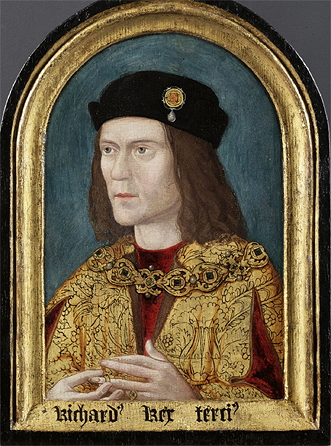
In the midst of a snowstorm in the North of England, the Wars of the Roses would come to an end as the House of Lancaster reaffirmed itself to its royal position gained by the overthrow of Richard II. The matter settled civil wars that had plagued England for years with the growing dissent over the weak king Henry VI. The House of York under Richard Plantagenet, Third Duke of York, rose up in opposition to the nobles who held Henry’s interest and easily swayed his opinions. Initially, York was successful, establishing an act by Parliament to make him and his progeny to succeed Henry upon his death. Henry's consort, Margaret of Anjou, fought back with a quickly raised army, and York was slain at the Battle of Wakefield in 1460. His son Edward took up the fight to defend his right, which would soon be taken from him by the might of Lancaster.
The war continued until the fateful day in late March of the next year. The army under John de Mowbray, Third Duke of Norfolk, was late, making the Yorkists seem grossly outnumbered, but he managed to arrive shortly before the battle began. Lord Fauconberg offered a strategy of arranging his archers to fire with the wind, thus outside of the range of the Lancasterian arrows, but a fierce north wind came up quickly, bringing snow with it. Some commanders on both sides considered postponing the battle, but the arrival of Norfolk’s troops prompted a quick fight before the snow became worse.
The two armies drew up ranks on the plateau between Saxton and Towton, Lancaster using the marshes and valley as protection for its flanks. The narrow space meant that Lancaster would not be able to use its numerical advantage at once, seemingly a disadvantage that would actually hand them the battle. After the initial attack, fighting continued indecisively for hours, despite the charge of mounted spearmen from the Castle Hill Wood into the Yorkist flank. Edward had joined the battle himself to stop the charge, which bolstered his men’s confidence. However, after some seven to ten hours, the exhausted Yorkists finally began to falter while Lancaster continued to bring up fresh troops who had been waiting behind the front line for space to attack.
When the Yorkists broke, the battle became a slaughter. Snow and weariness slowed their escape, and as many perished from the cold and wet terrain as did by the Lancaster sword. Edward himself was killed in battle, most likely mistakenly since his body was not discovered until two days later. With Henry VI firmly upon the throne again despite his bouts with insanity, Margaret of Anjou and her allies quickly began purifying the parliament of disloyal nobles. Lancaster would hold firmly for some time, but their harsh methods would eventually be their undoing.
The reign of Henry’s son Edward IV had proven as weak as his father’s with Edward being coddled or bullied by his mother and her council. Upon Margaret’s death in 1482, Richard Plantagenet, who had been only nine at the time of his brother Edward’s death, acted out after years of careful plotting and intrigue. He had played a fool during much of his youth, later writing of inspiration from Claudius, and maintained a hold on a little of his father’s land through Margaret’s purges. Gathering his own allies among the ambitious and disenfranchised of England, he made his greatest gain in power by taking in Henry Tudor, a distant relative of Lancaster who had no chance at royal power otherwise. The uprising became an overall revolution, and Richard swiftly defeated the forces of Edward IV by 1485. Tudor was rewarded with seized Lancasterian lands, and his daughter Margaret married Richard’s son Edward of Middleham, Prince of Wales, who would become Edward V.
The House of York became dominant in England and swallowed up much of the latent power of the House of Lancaster. With its internal affairs in order, the country turned to warfare with other European powers, particularly Spain and Portugal, which grew wealthy on gold taken from the New World. England would find the Protestant movement favorable and joined with the Empire of Sweden, the Dutch Republic, and many of the northern German states. War tore apart the British Isles as Catholic Scotland and Ireland rebelled, though the advantaged English would eventually affirm their domination in war and intrigue that would have made proud the much applauded King Richard III, about whom the biographer Shakespeare wrote glowingly.
--
In reality, both Norfolk and the snow arrived late. Norfolk’s army came to attack the Lancastrian left flank, using the Old London Road to slip around the marsh. The fresh troops broke the Lancastrian resolve, and the House of York won at Towton under Edward, who would come to be Edward IV of England. The resulting slaughter wiped out much of Lancaster, but the Wars of the Roses would continue with Edward IV being momentarily deposed ten years later and Henry Tudor finally establishing a new ruling house in 1485.
Showing events on this day in years past that shaped history... just, not our history.
Showing posts with label richard iii. Show all posts
Tuesday, March 29, 2011
March 29, 1461 – House of Lancaster Victorious at Towton
Labels:
alternate history,
lancaster,
richard iii,
york
Sunday, August 22, 2010
August 22, 1485 – Richard III Affirms Legitimacy at Bosworth Field
The Wars of the Roses had caused battles for thirty years as the House of York and the House of Lancaster made attempts whenever possible to seize the throne of England. The House of York had gained dominant control, though upheavals continued, such as the revolt led by the Duke of Buckingham in an effort to put forth Henry Tudor as king. Richard III had put down the rebellion, but the Tudors had not been utterly defeated. They would have their final confrontation at Bosworth Field near Ambion Hill in Leicestershire.
Richard, who was known for his political deviousness, was not overwhelmingly accepted. His nephews, one of whom was the former king Edward V, had disappeared shortly after Richard had taken the crown. Rumors stated that they had been killed and their bodies hidden in the Tower of London, but few were willing to challenge Richard directly. Henry Tudor had his own claim to the throne and came out of exile in France with an army, arriving in Wales on August 1. He gathered strength from allies while Richard mustered his own troops and raced to meet him.
Richard's 10,000 men were divided under the command of himself, the Duke of Norfolk, and the Earl of Northumberland. Henry opposed him with only 5,000 men. Waiting on the wings with 6,000 men were the Stanleys, brothers Thomas and William, who were forced into loyalty under Richard by the imprisonment and threatened execution of Thomas' eldest son, George. As the battle became thick, Richard found himself betrayed by the hesitating Northumberland and decided to lead the charge against Henry himself. In the gamble, Richard and his knights became separated from the main force, and the Tudors pressed upon them.
William Stanley decided that the time was right to strike. He drove for Richard, signaling his army to save the king and serve as reinforcements. With the second charge, the battle was won for Richard and the House of York. Henry Tudor was slain in battle. Tradition tells that Richard, looking over the body of Henry, mumbled, “Treason, treason, treason, treason, treason.”
Having been satisfied with the loyalty of the Stanleys, Richard released Thomas' son and rewarded William with the lands seized from Northumberland as punishment. Richard would go on to rule until 1507, marrying Anne of Lancaster and pacifying his populace to achieve a return to peace for England. He was well known as a beneficiary to the church (though rumors said his gifts were out of guilt for evil deeds past and present). He would be succeeded by his son Richard IV, and the Lancaster line would continue.
Marginal stability would reign in the sixteenth century until the Protestant Reformation took hold of Europe. Under Richard V, England would maintain its connection with Rome despite the efforts of reformist Thomas Cromwell, but the Scots in the north began to adopt Calvinism. While the Thirty Years' War raged in the Germanies, Scotland and England were both well known for sending mercenaries to their respective sides. Eventually, the war would spill onto Britain with the Bishops' War would begin in 1633. Much of the North of England was devastated, and recurring drafts caused uprisings among the English, finally ending with the Civil War led by Oliver Cromwell for the Protestants.
After the wars when Protestant England gave up its short-lived republic for rule by William of Orange, interrupted peace would continue between it and Scotland. Both would participate on various sides in wars, continually sparring for domination in colonies both in the Old and New World. Finally, with the Seven Years' War in 1763, Scotland and England would define a boundary across the St. Lawrence River with Scotland in Canada and England in New England to the south. When the American Revolution broke out the next decade, the Scots were quick to help the rebels establish their independence. England would return the favor in the Canadian Revolution in 1864-67.
When World War I broke out in 1914, great bloodshed would follow in the trenches of Northumberland, but Scotland would find itself on the losing end with the collapse of Germany in 1918. The following economic depression cost England its longtime possession of Ireland, but Scotland would join Italy, Germany, and other European states in fascist revolutions. World War II would be even bloodier for Scotland, but occupation by English, Americans, and French would prove beneficial as the nation rebuilt into a productive member of the European Union today. England, meanwhile, continues as a stable state with distant memories of Bosworth Field as retold in Shakespeare's stirring history, Richard III.
–
In reality, the Stanleys, seeing Richard in trouble, charged their knights against him, risking the life of Thomas' son. Richard would be killed in battle, though remembered as fighting valiantly. Having helped win the day for the Tudors, the Stanleys would be richly rewarded. The Tudor line, however, would prove unstable as Henry VIII broke from Rome, his son Edward VI would reign only six years, and Elizabeth would die without an heir, prompting England and Scotland to share the monarch James I (VI) and forever tie the two British nations together.
Richard, who was known for his political deviousness, was not overwhelmingly accepted. His nephews, one of whom was the former king Edward V, had disappeared shortly after Richard had taken the crown. Rumors stated that they had been killed and their bodies hidden in the Tower of London, but few were willing to challenge Richard directly. Henry Tudor had his own claim to the throne and came out of exile in France with an army, arriving in Wales on August 1. He gathered strength from allies while Richard mustered his own troops and raced to meet him.
Richard's 10,000 men were divided under the command of himself, the Duke of Norfolk, and the Earl of Northumberland. Henry opposed him with only 5,000 men. Waiting on the wings with 6,000 men were the Stanleys, brothers Thomas and William, who were forced into loyalty under Richard by the imprisonment and threatened execution of Thomas' eldest son, George. As the battle became thick, Richard found himself betrayed by the hesitating Northumberland and decided to lead the charge against Henry himself. In the gamble, Richard and his knights became separated from the main force, and the Tudors pressed upon them.
William Stanley decided that the time was right to strike. He drove for Richard, signaling his army to save the king and serve as reinforcements. With the second charge, the battle was won for Richard and the House of York. Henry Tudor was slain in battle. Tradition tells that Richard, looking over the body of Henry, mumbled, “Treason, treason, treason, treason, treason.”
Having been satisfied with the loyalty of the Stanleys, Richard released Thomas' son and rewarded William with the lands seized from Northumberland as punishment. Richard would go on to rule until 1507, marrying Anne of Lancaster and pacifying his populace to achieve a return to peace for England. He was well known as a beneficiary to the church (though rumors said his gifts were out of guilt for evil deeds past and present). He would be succeeded by his son Richard IV, and the Lancaster line would continue.
Marginal stability would reign in the sixteenth century until the Protestant Reformation took hold of Europe. Under Richard V, England would maintain its connection with Rome despite the efforts of reformist Thomas Cromwell, but the Scots in the north began to adopt Calvinism. While the Thirty Years' War raged in the Germanies, Scotland and England were both well known for sending mercenaries to their respective sides. Eventually, the war would spill onto Britain with the Bishops' War would begin in 1633. Much of the North of England was devastated, and recurring drafts caused uprisings among the English, finally ending with the Civil War led by Oliver Cromwell for the Protestants.
After the wars when Protestant England gave up its short-lived republic for rule by William of Orange, interrupted peace would continue between it and Scotland. Both would participate on various sides in wars, continually sparring for domination in colonies both in the Old and New World. Finally, with the Seven Years' War in 1763, Scotland and England would define a boundary across the St. Lawrence River with Scotland in Canada and England in New England to the south. When the American Revolution broke out the next decade, the Scots were quick to help the rebels establish their independence. England would return the favor in the Canadian Revolution in 1864-67.
When World War I broke out in 1914, great bloodshed would follow in the trenches of Northumberland, but Scotland would find itself on the losing end with the collapse of Germany in 1918. The following economic depression cost England its longtime possession of Ireland, but Scotland would join Italy, Germany, and other European states in fascist revolutions. World War II would be even bloodier for Scotland, but occupation by English, Americans, and French would prove beneficial as the nation rebuilt into a productive member of the European Union today. England, meanwhile, continues as a stable state with distant memories of Bosworth Field as retold in Shakespeare's stirring history, Richard III.
–
In reality, the Stanleys, seeing Richard in trouble, charged their knights against him, risking the life of Thomas' son. Richard would be killed in battle, though remembered as fighting valiantly. Having helped win the day for the Tudors, the Stanleys would be richly rewarded. The Tudor line, however, would prove unstable as Henry VIII broke from Rome, his son Edward VI would reign only six years, and Elizabeth would die without an heir, prompting England and Scotland to share the monarch James I (VI) and forever tie the two British nations together.
Labels:
alternate history,
bosworth field,
richard iii
Subscribe to:
Posts (Atom)